Iran Conflict Sparks Global Oil Price Surge, Threatening Economic Stability
Iran Conflict Sparks Global Oil Price Surge and Economic Risks

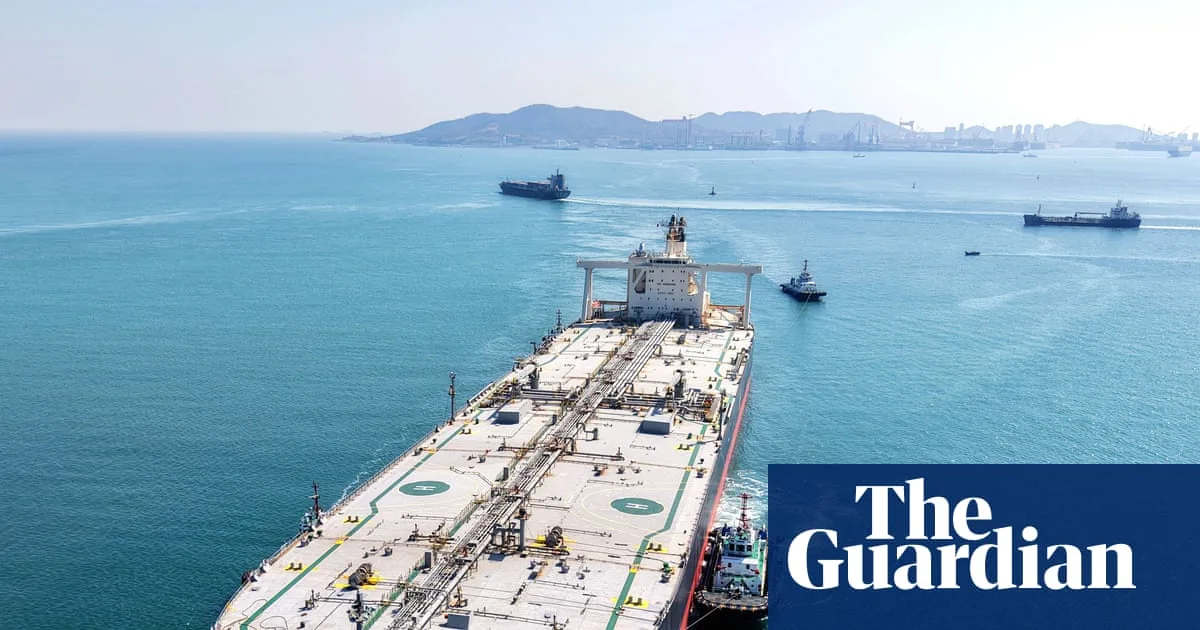
Oil markets have experienced some of the most dramatic price increases ever recorded in recent history, as escalating conflict in the Middle East, particularly involving Iran, has intensified over the past week. This surge in oil prices poses significant risks to economies worldwide, with analysts warning that costs could breach $100 per barrel within days due to supply disruptions.

Global Economic Impact of Rising Oil Prices

Despite global efforts to transition towards greener energy sources, fossil fuels such as oil and gas continue to serve as the lifeblood of every major economy. When prices for these commodities rise sharply, the effects ripple through nearly every facet of our financial lives, from household budgets to international trade flows.

Supply Disruptions and Market Volatility

The conflict in the Middle East, including tensions between the US, Israel, and Iran, has led to significant supply disruptions in the oil sector. This volatility in the energy industry is driving up costs for commodities, which in turn impacts global trade and exacerbates existing economic challenges, such as the UK cost of living crisis.

Jillian Ambrose, energy correspondent for the Guardian, provides insights into how this geopolitical turmoil may affect global costs. She explains that the interconnected nature of oil markets means that price hikes can quickly translate into higher expenses for consumers and businesses alike, affecting everything from transportation to manufacturing.

Broader Implications for International Trade and Living Standards

The potential for oil prices to exceed $100 a barrel highlights the fragility of global supply chains and the ongoing dependence on fossil fuels. This situation underscores the urgent need for diversified energy strategies to mitigate future shocks. As the conflict persists, stakeholders in the energy industry, policymakers, and consumers must brace for continued economic pressure, with implications for inflation, employment, and overall financial stability.