Croatia Steps In to Address Energy Crisis for Hungary and Slovakia
In a significant development for European energy security, Croatia has extended an offer to bolster the oil supplies of Hungary and Slovakia following severe disruptions to the critical Druzhba pipeline. The move comes as tensions escalate over energy dependencies and geopolitical disputes within the European Union.
Pipeline Damage Sparks Regional Energy Concerns
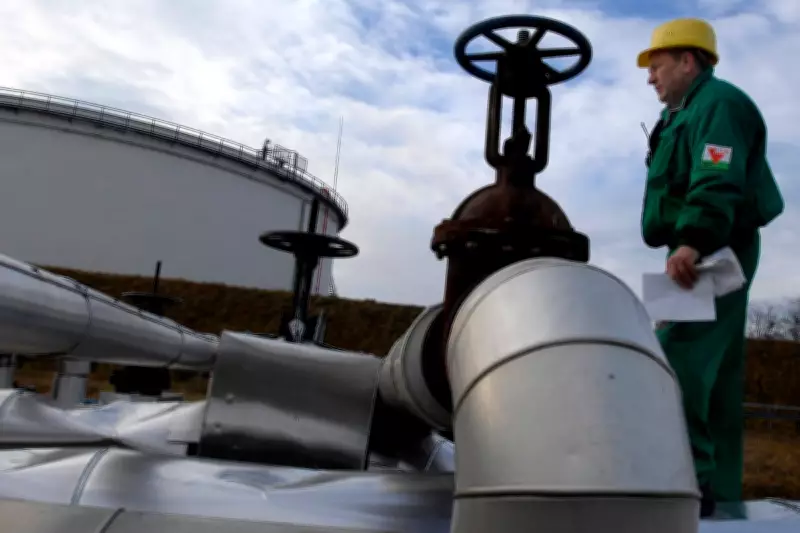
The Druzhba pipeline, which serves as the exclusive conduit for Russian oil to Hungary and Slovakia, was halted on 27 January 2026 after sustaining damage. Ukraine has attributed this incident to a Russian drone strike, a claim that has fueled diplomatic friction. The interruption has left both Hungary and Slovakia facing potential energy shortages, prompting urgent discussions among EU member states.
Croatian Prime Minister Andrej Plenkovic has confirmed ongoing talks with Hungarian and Slovakian officials, as well as with the European Commission. He emphasized that Croatia's Adria pipeline possesses the necessary capacity to fully meet the oil requirements of both nations, offering a viable alternative to the compromised Druzhba route.

Political Fallout and EU Sanctions Impasse
The pipeline damage has not only triggered energy supply issues but also intensified political strife. Hungary and Slovakia have accused Ukraine of deliberately delaying repairs for political motives, allegations that have led to significant repercussions within the EU. In response, Hungary has vetoed the European Union's proposed 20th package of sanctions against Russia and blocked a new EU loan intended for Kyiv, citing the ongoing energy dispute as a key factor.
This standoff highlights the complex interplay between energy security and diplomatic relations in the region, with Croatia's proposal emerging as a potential de-escalation measure.
Alternative Solutions and EU Assessment
Meanwhile, Ukraine is actively working to repair the Druzhba pipeline and has proposed an alternative route for oil transportation to EU countries via its Odesa-Brody pipeline. The European Commission is currently evaluating this option, weighing its feasibility against the backdrop of the current crisis. Croatia's offer adds another layer to the strategic considerations, providing a short-term solution while longer-term fixes are explored.
The situation underscores the fragility of Europe's energy infrastructure and the urgent need for diversified supply chains to mitigate such disruptions in the future.