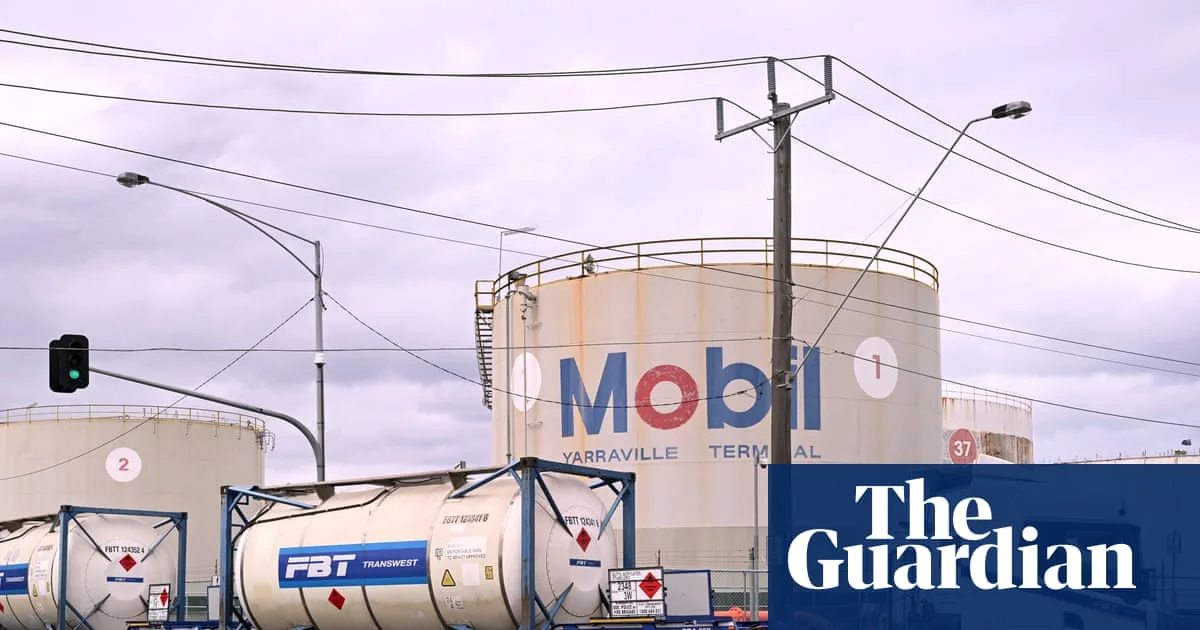
The Australian government has announced a temporary relaxation of petrol standards to inject an extra 100 million litres of fuel per month into supply chains for 60 days, as the New South Wales premier warned of potential fuel shortages at major hospitals amid the escalating Middle East conflict.
Climate Change and Energy Minister Chris Bowen said the distributor Ampol had agreed to prioritise this petrol supply to towns outside major cities, particularly in Queensland, where shortages have been most acute. The petrol, which has higher sulphur levels, would normally be exported for blending.
NSW Premier Chris Minns said a meeting of energy, transport, police and emergency service departments had been convened to look at emergency supplies and critical services. “We recognise that some of our big hospitals, as well as emergency services, need access to diesel and other fuel sources,” he said, adding that there was “no need for panic buying”.
Motorists have already seen fuel price increases of up to 70 cents a litre for diesel since the start of the war, as fears of climbing prices and shortages triggered a rush on regional service stations. Brent crude has jumped above $US100 a barrel after an attack on two tankers in Iraqi waters led to the evacuation of vessels from Oman's key oil export terminal.
Economists have warned that surging energy costs will unleash inflationary pressures, with inflation potentially pushing towards 5% by mid-year. ANZ has become the last of the four major banks to predict back-to-back rate hikes from the Reserve Bank, starting at its next meeting.
Commonwealth Bank's head of commodities, Vivek Dhar, warned that the current shock was “unprecedented” and that oil prices could rise to levels not seen in history if the conflict continues. The effective closure of the Strait of Hormuz has choked off about 20% of the global oil trade, nearly three times the disruption of the 1970s Arab oil embargo.