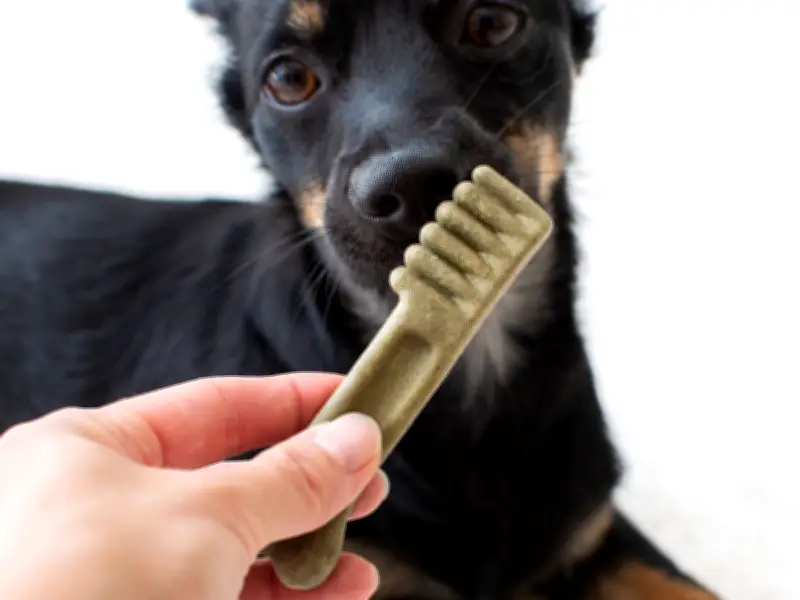
A veterinarian has issued a warning to dog owners about the potential dangers of relying on dental chews for their pets' oral health. Amir Anwary, a veterinarian and content creator known online as @Amirthevet, shared his concerns in a recent TikTok video, describing dental disease as a 'silent killer' that can put pets at risk.
Why Dental Chews May Not Work
In the video, Anwary explained that many dog owners are unaware of a more effective product: dental powder. He said, 'As a veterinarian, it shocks me how many people do not know that this product exists.' He noted that clients often complain about their dogs' bad breath and poor dental health despite using dental chews and treats regularly. However, he warned, 'Most dental chews and treats on the market are not going to work. They're completely ineffective. It's really just an unhealthy treat with a few beneficial ingredients sprinkled on top of it.'
Alternative Solution: Dental Powder
Anwary recommends dental powder as an easy-to-use alternative. He explained, 'It's so easy to use. You sprinkle it over your dog's food, it coats the pellets and as they chew it actively cleans the teeth, softens the plaque and tartar, and freshens the breath.' However, he cautioned that for dogs with severely bad teeth, a professional cleaning at a veterinary clinic is necessary. For milder cases and persistent bad breath, dental powder can be highly effective.
Expert Advice on Dog Dental Care
The RSPCA emphasizes the importance of keeping dogs' teeth clean, noting that dental disease is very common in dogs, second only to ear infections. The charity advises pet owners to consult their vet before starting any dental care routine. 'Before you start cleaning your dog's teeth, it's always best to ask your vet to show you the best way to do this,' the RSPCA states. Different breeds have varying jaw alignments, and flat-faced dogs like Pugs and Chihuahuas are more prone to dental disease due to crowded or absent teeth. Owners should use pet-safe toothpaste, as human toothpaste is not suitable for animals. The RSPCA recommends using a dog toothbrush or a child-sized toothbrush if needed.