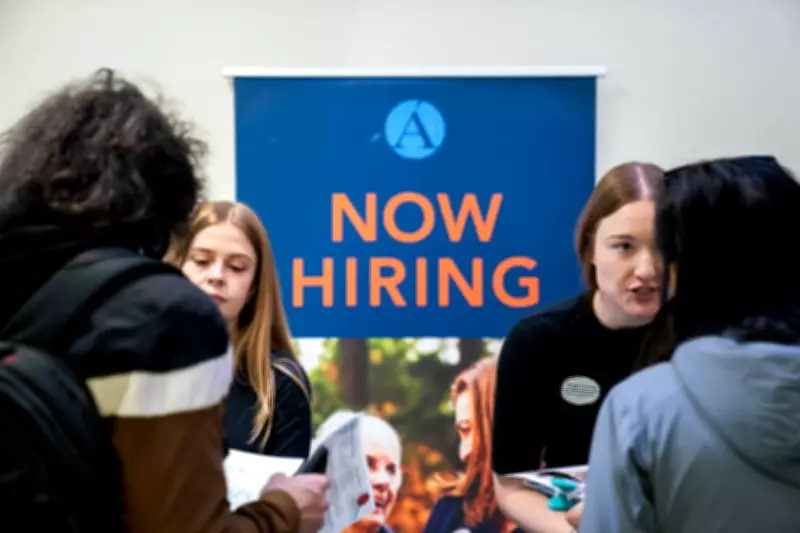
The United States experienced a significant downturn in its labor market during February, with a net loss of 92,000 jobs, according to the latest data from the Bureau of Labor Statistics. This decline marks a stark reversal from January, when the economy added 130,000 jobs, surpassing expectations of 70,000 but still falling 13,000 short of the January 2025 figure.
Unemployment Rate Climbs Amid Economic Uncertainty
The unemployment rate edged up to 4.4% in February, slightly higher than the 4.3% rate economists had predicted. This increase comes as a concern, given that forecasts anticipated a gain of 60,000 jobs for the month. The data highlights a weakening trend in job growth, with 2025 recording only 181,000 jobs added overall—the lowest annual figure since the Covid-19 pandemic and a sharp drop from the 2 million jobs added in 2024.
Historical Context and Revisions
Further analysis reveals that job growth in 2025 was concentrated in the first half of the year. From July to December 2025, the US economy actually lost 45,000 jobs, indicating a gradual deterioration in the labor market. Dean Baker, an economist and co-director of the Center for Economic and Policy Research, commented on this trend in a pre-release statement, noting that January's job increases might have been an anomaly or a potential turning point.

Baker suggested that factors such as unusually favorable January weather could have influenced the positive January report. He emphasized that other indicators, like unemployment filings and job listings on platforms such as Indeed, have not shown consistent improvement, casting doubt on the sustainability of any labor market recovery.
Impact on Federal Reserve Policy
The February jobs data, released on a Friday, does not account for the global economic shock waves triggered by the US-Israel conflict with Iran, which began shortly after. However, this information is poised to play a crucial role in shaping the US Federal Reserve's upcoming meeting on interest rates, scheduled for March 17 and 18.
Fed officials are currently divided on the path forward, with some advocating for caution. Beth M Hammack, president of the Federal Reserve Bank of Cleveland, has called for an extended pause on interest rates due to ongoing inflation concerns, despite pressure from former President Donald Trump to lower them. The new jobs figures will likely influence these deliberations, as policymakers weigh the risks of economic slowdown against inflationary pressures.
Broader Economic Implications
This labor market slackening adds to the economic upheaval caused by geopolitical tensions, particularly the conflict involving Iran. As the US navigates these challenges, the health of the job market remains a critical barometer for overall economic stability. The coming months will be pivotal in determining whether the February job losses signal a prolonged downturn or a temporary setback in a recovering economy.