
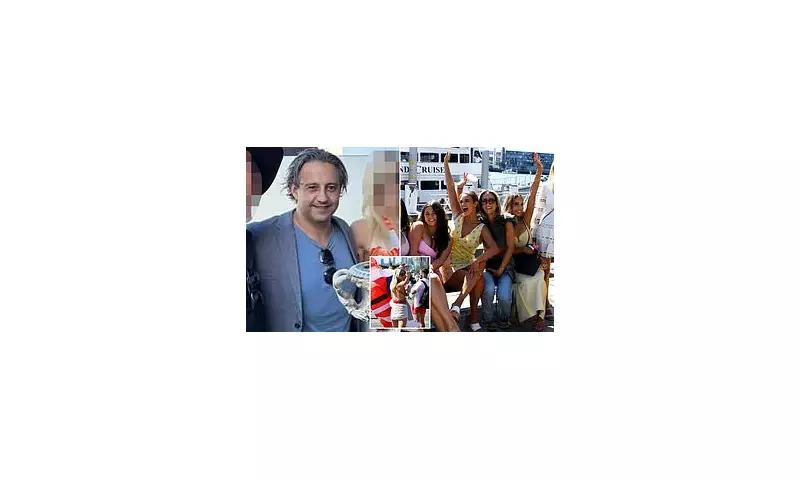
High-Paying Job Lost Over Festive Season Misconduct
A senior Ernst & Young partner has been dismissed following allegations he made inappropriate comments to a female colleague at a company Christmas party, sparking a crucial warning from HR experts as workplaces across the UK prepare for festive celebrations.
The ACT Supreme Court upheld EY's decision to terminate Leonard Nicita, ruling the firm was completely justified in ending his employment. The partner, who was earning an impressive $1.3 million annually, had already been placed on a first and final warning following previous complaints.
From Miami Vice Party to Career Crisis
The incident occurred during a Miami Vice-themed Christmas party in 2022, where court documents reveal Nicita allegedly told a married female colleague: 'You'll be surprised – since being single, I've probably been with more married women than single ones.'
While Nicita claimed he had merely invited her to dinner, EY's investigation concluded his comments violated the company's strict behavioural standards. The firm subsequently dismissed him, cutting short a career trajectory that would have seen him earning a staggering $2 million by 2026.
Seasonal Celebrations Turned HR Nightmares
The ruling serves as a timely caution for businesses nationwide as they organise end-of-year festivities, where alcohol consumption often fuels incidents with serious professional and legal consequences.
HR Legal lawyer Dan Feldman confirmed the holiday season represents a particularly busy period for employment lawyers. 'During December we often receive calls from clients that start with "You wouldn't believe what happened last night at our end-of-year function",' he revealed.
Feldman expressed concern that such incidents continue occurring years after the #metoo movement, with the most common cases involving sexual harassment, bullying, and violence. He emphasised that excessive alcohol or illicit drug use features in almost every incident.
Legal Precedents and Employer Responsibilities
The case echoes other high-profile dismissals related to Christmas party misconduct. In 2022, senior radiologist Kevin Daynes, 72, was dismissed after allegations including performing a 'pelvic thrust' toward a female colleague at a Cairns Christmas party while dressed in a foam holly costume.
Although Daynes denied the incident, claiming he was demonstrating the Haka during a discussion about New Zealand, the judge awarded him nearly $350,000, ruling the claims didn't constitute serious misconduct.
Feldman warned that employers maintain a duty of care even at off-site, after-hours work functions, with liability potentially extending to after-parties if managers continue purchasing drinks.
Websters Lawyers senior associate Daniel Gluche reinforced that employers providing alcohol assume significant responsibility. 'An employer who fails to monitor alcohol consumption can be directly or vicariously liable for claims of sexual harassment or injury,' he stated.
Where Exactly is 'The Line'?
Regarding appropriate behaviour, Feldman clarified that asking a colleague out doesn't automatically constitute harassment, but context is crucial. 'Ideally that should be done away from work, outside work hours, and respectfully,' he advised.
'Asking someone out at the work Christmas party when they're under alcohol's influence and physical contact has occurred likely crosses the line if advances aren't reciprocated,' Feldman explained, noting power imbalances further complicate such situations.
Gluche cited the infamous 2015 case where the Fair Work Commission overturned Stephen Keenan's dismissal after he drank heavily and made inappropriate comments, partly because the employer provided unlimited free alcohol.
However, in another case involving Aldi, an employee who threw a beer glass at colleagues had their dismissal upheld despite the employer supplying free alcohol.
Gluche's message to employers remains straightforward: limiting alcohol provision represents one major method for reducing inappropriate behaviour during festive workplace celebrations.




