Major workplace reforms have taken effect across the country, with ministers confirming that approximately 15 million workers – representing half the nation's entire workforce – stand to gain from the changes. Seven crucial provisions within the Employment Rights Act have now become law and will affect anyone calling in unwell before their shift.
A notable alteration will impact anybody ringing in sick to their employer. Further employment law changes encompass immediate entitlements to parental and bereavement leave from day one, as well as putting a stop to controversial fire and rehire tactics.
Government officials maintain the reforms will stamp out precarious employment, inequitable wages and substandard working conditions, ultimately boosting workers' earnings and improving living standards. The measures include expanding sick pay coverage to approximately 1.3 million of Britain's lowest-earning employees.
Parliamentary Questions on Sick Pay
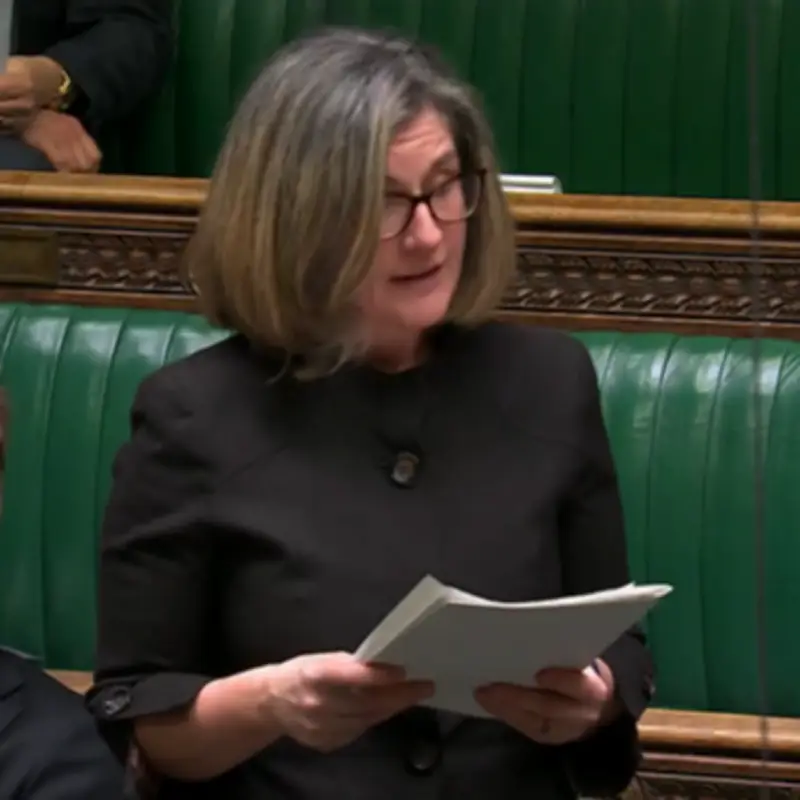
During a recent parliamentary question, Labour MP Dr Beccy Cooper asked Secretary of State for Work and Pensions, Pat McFadden: "What assessment they have made of the adequacy of Statutory Sick Pay in meeting essential living costs for low-income workers."
Responding on behalf of the department, Dame Diana Johnson, Minister of State at the Department for Work and Pensions, referenced the newly implemented legislation. She said: "Statutory Sick Pay (SSP) is designed to provide a minimum level of support and financial security for employees when they are unable to work due to sickness whilst also balancing the cost to employers."
Dame Diana Johnson explained the impact of the sick pay changes: "The government has made key changes to SSP, which came into force last month. Through the Employment Rights Act, we have removed the Lower Earnings Limit for SSP. Previously, employees had to earn at least £125 per week to be eligible to receive SSP from their employer. The removal of the Lower Earnings Limit has meant this threshold no longer applies."
"This means up to 1.3 million more employees will be covered, supporting low-income workers and those who work for more than one employer. We have also removed the waiting period, so people can access sick pay from their first day of sickness absence. These changes will mean that employees receive around an extra £400 million a year in sick pay."
Key Changes Under the Employment Rights Act
- Statutory sick pay is paid from the first day of absence, instead of the fourth day. The lower earnings limit has also been removed.
- Parental leave is more readily available – including paternity leave and ordinary parental leave, or unpaid parental leave, which became a day one right, and bereaved partner's paternity leave.
- Disclosure of sexual harassment has become a 'qualifying disclosure', giving protections from dismissal and detriment.
- Fines for employers who do not consult in collective redundancy situations have doubled to 180 days' pay for each employee affected.
- Trade unions can use a simplified statutory recognition process to gain the right to negotiate with employers over pay and conditions.
- Employers must keep records of annual leave and holiday pay.
Further Parliamentary Discussion
During Work and Pensions questions following the introduction of the plans, Labour MP Yuan Yang put a question to Secretary of State for Work and Pensions Pat McFadden: "What assessment he has made of the adequacy of rates of statutory sick pay."
Mr McFadden outlined the reforms: "I believe my hon. Friend will welcome the changes the Government have made to statutory sick pay, which came into force earlier this month. For the first time ever, we have removed the lower earnings limit for statutory sick pay, as well as the waiting period so that people can access sick pay as soon as they need it. These changes will mean that up to 1.3 million more people will be covered, helping the low paid and those who work for more than one employer in particular."
Ms Yang emphasised the significance of immediate payments: "I am indeed very proud of this Labour Government's historic Employment Rights Act 2025, which, from this month, means that workers will get statutory sick pay from the first day they are ill, rather than having to wait till the fourth. Too many people in Reading-even those working in health and care settings-are working through their illnesses; this measure will protect them, their clients and patients and improve the productivity of their workplaces."
She then raised a crucial concern: "While the ERA is an important step forward, does the Secretary of State accept that the current flat rate of statutory sick pay-at four fifths of average earnings-remains a barrier to those on low incomes, and thus remains a barrier to tackling illness in the workplace?" Mr McFadden continued: "I believe that removing the three-day limit and giving access to statutory sick pay from day one, as well as making it available to those who work for multiple employers, should decrease the pressure on workers to have to work through illness. My hon. Friend will be aware that the 'Keep Britain Working' review led by Charlie Mayfield also aims to work with employers to help keep people in jobs while they cope with some of the long-term sickness issues that can develop as workers get older."