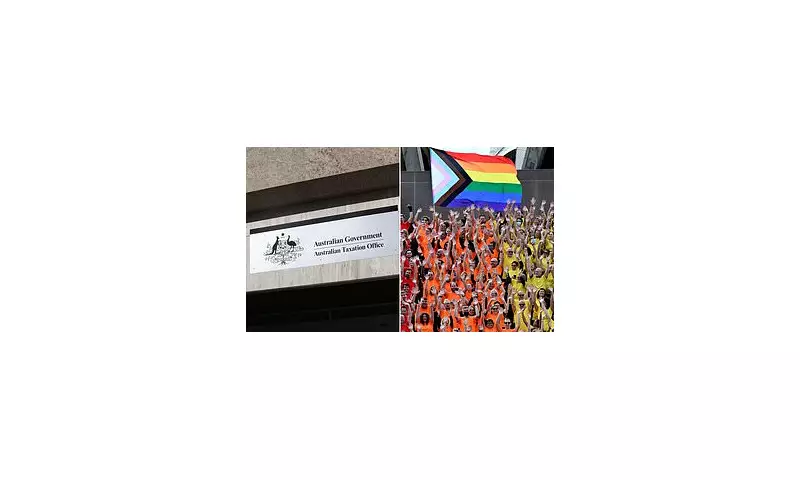
The Australian Taxation Office has ignited controversy by compelling its workforce to complete a mandatory diversity survey that requires disclosure of highly personal information, including gender identity and sexuality.
Mandatory Disclosure Raises Privacy Concerns
ATO employees received instructions to complete the 'diversity and inclusion' questionnaire by October 18, with the survey demanding details about whether staff identify as transgender, non-binary, or other gender identities beyond male or female. The form also probes into sexual orientation and requires disclosure of Aboriginal or Torres Strait Islander heritage.
Internal communications reveal the survey was presented as compulsory, with one message stating completion was required 'as part of our commitment to fostering an inclusive workplace.'

Conservative Backlash and Political Fallout
The initiative has drawn sharp criticism from conservative politicians and commentators. Opposition leader Peter Dutton condemned the move, accusing the ATO of implementing 'radical social engineering' under the Albanese government's direction.
'This is exactly the type of invasive workplace surveillance that Australians rejected when they voted against the Voice,' Dutton stated, drawing parallels to last year's failed referendum.
ATO Defends Data Collection Practices
In response to mounting criticism, the ATO has defended the survey, emphasising that providing certain information remains voluntary. 'Staff can choose 'prefer not to say' for some questions,' an ATO spokesperson clarified.
The tax office maintains that the data collection supports their 'inclusion strategy' and helps create 'a more supportive environment for all employees.'
Broader Public Service Diversity Drive
This initiative forms part of a wider diversity push across Australian public services. Recent reports indicate similar data collection efforts in other government departments, though the ATO's mandatory approach has attracted particular scrutiny.
The controversy emerges as the Albanese government faces increasing questions about the balance between promoting workplace diversity and respecting individual privacy rights within the public sector.