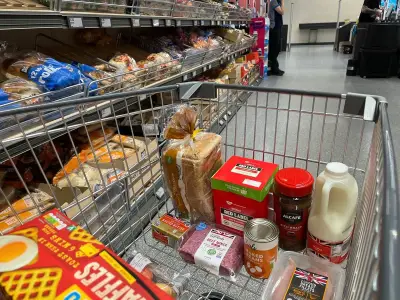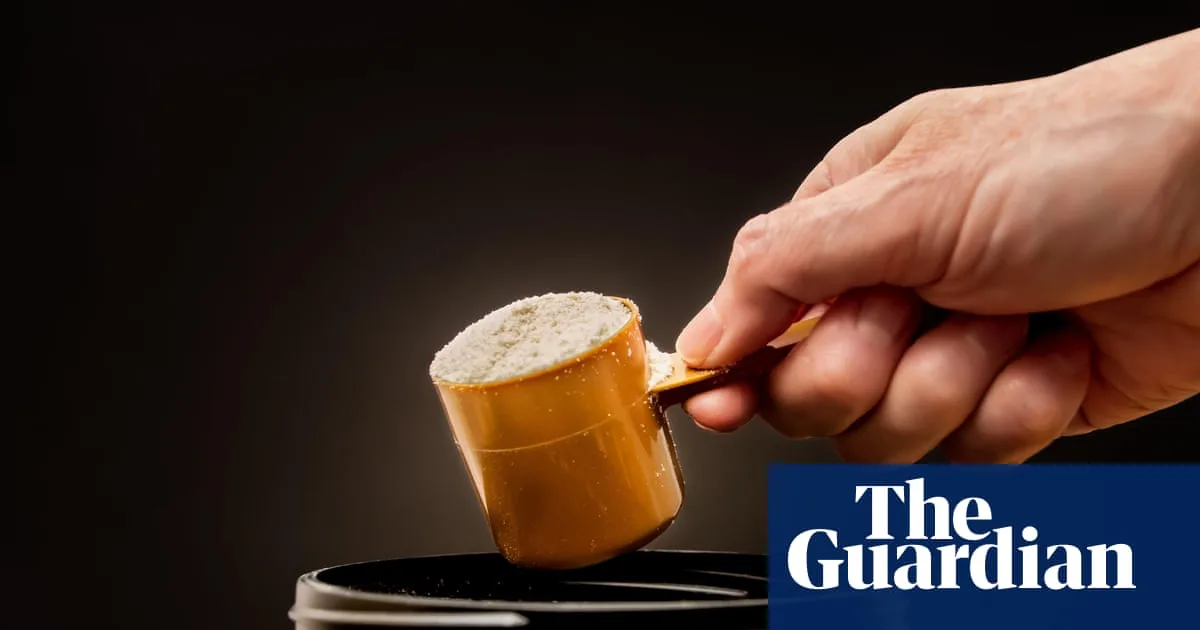
The global dairy and food industry is witnessing a dramatic surge in demand for whey protein, driven largely by the rising popularity of weight-loss medications and a broader shift toward healthier eating habits. According to data from StoneX consultancy, the price of 80 per cent protein whey concentrate (WPC 80) has soared by nearly 90 per cent over the past twelve months, reaching 20,000 euros ($23,410) per metric ton. This increase far outpaces price rises in other dairy segments, such as powdered milk and cheese.
From Pig Feed to Premium Protein
Once considered a by-product of cheese-making and used primarily as pig feed, whey has transformed into a vital ingredient in food products designed to help consumers prevent muscle loss. Interviews with a dozen companies and industry experts revealed that while improved health awareness and ageing populations have contributed to higher whey prices, the GLP-1 trend—associated with weight-loss drugs like Ozempic and Wegovy—is the primary catalyst.
"The ongoing strong demand for whey proteins, being fuelled even further by GLP-1 in recent years, is what the industry needs to figure out," said Luis Cubel, managing director of Arla Foods Ingredients. "Are there any more untapped volumes you can tap into?"
Dairy Giants Expand Capacity
Major dairy companies, including Lurpak butter maker Arla Foods and Dutch producer FrieslandCampina, have significantly expanded their whey production capacity. Food firms are also broadening their protein-rich offerings, such as Danone's Oikos yoghurt brand and Bel Group's Babybel Protein. Kristen Coady, chief innovation and brand officer at Dairy Farmers of America (DFA), noted that users of weight-loss drugs are actively seeking protein, driving new product innovations.
DFA, the largest U.S. dairy farm collective, recently launched MULU, a cottage cheese with added whey containing 18 grams of complete protein per half-cup serving—well above the typical 12 to 13 grams. "What we've been seeing is almost a run on dairy proteins," Coady said. The popularity of cottage cheese has prompted DFA to increase investments in cultured capabilities, converting fluid milk production sites in Pennsylvania and New Mexico.
Changing Consumer Demographics
Health and wellness retailer iHerb has observed substantial growth in GLP-1-adjacent products, primarily in the U.S. "Customers are starting to really look for ways to fight the downside or the side effects of GLP-1," said Hyeyoung Moon, iHerb's chief revenue officer. She highlighted an increase in searches using the term 'GLP-1' and a growing number of female customers seeking supplements to prevent muscle loss, moving beyond the traditional gym-going male demographic.
Infrastructure Challenges and Investment
John Lancaster, head of EMEA dairy and food consulting at StoneX, pointed out that the food industry lacks the infrastructure to meet demand for high-protein whey concentrates and isolates. "There's a shortage of the capacity to turn whey into what is required by the market at the moment," he said. FrieslandCampina's global director for marketing and product strategy, Guus Aerts, confirmed that the protein boom has spurred heavy investment in high-end whey processing. The company finalized its purchase of Wisconsin Whey Protein in January and doubled capacity at its Dutch Borculo plant.
FrieslandCampina announced on Tuesday an investment of more than 90 million euros to accelerate growth in high-value whey proteins. Marion Bucas, marketing director at Lactalis Ingredients, part of the world's largest dairy company, emphasized that protein represents a huge opportunity. "Dairy proteins are still the best quality proteins on the market, but there will be lots of work to try to find substitutes to answer the demand," she said.
Alternative Protein Sources Emerge
Demand for protein-rich peas and lentils is providing struggling U.S. farmers with a crucial new revenue stream. Biotechnology companies producing alternative proteins through precision fermentation are also attracting investment. French startup Verley, which ferments fungi to produce muscle recovery proteins, described the GLP-1 impact on the food sector as "insane." Co-founder and CEO Stephane Mac Millan noted, "In the U.S., in just two to three years, everything changed. And that puts the whole food industry under pressure to reformulate products."
Another French startup, Standing Ovation, which has secured investments from Danone and Bel Group, produces casein proteins and expects to begin sales this year. Co-founder Romain Chayot stated that 80 per cent of its product development is focused on high-protein solutions. "With GLP-1, developing high-protein yoghurt or cheese or beverage is booming today," he said.
While analysts caution that precision fermentation remains too expensive for mass adoption, high whey prices are creating opportunities. However, taste remains a concern for sceptical consumers. "Dairy protein is delicious," said Bel Group's North America CEO Peter McGuinness. "In this protein race, we've lost deliciousness."