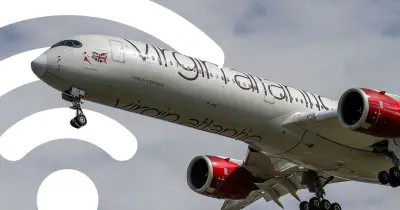
The UK inflation rate held steady at 2.8% in May, according to the latest data from the Office for National Statistics (ONS), providing a welcome respite for Chancellor Rachel Reeves. Economists had anticipated a potential increase due to rising airfares and vehicle excise duty adjustments.
Unexpected Stability
The Consumer Price Index (CPI) remained unchanged from April, when inflation had dropped to its lowest level in a year. That decline was largely attributed to a 7% reduction in the energy price cap implemented by regulator Ofgem at the start of April, which saved the average household around £10 per month. This was further supported by government initiatives to lower energy bills.
Despite ongoing geopolitical tensions in the Middle East driving up fuel costs, the temporary dip in energy prices helped keep inflation in check. Analysts at Pantheon Macroeconomics had warned that airfares could rebound strongly in May, potentially pushing inflation higher. Similarly, vehicle excise duty was expected to contribute an additional 0.1% to inflation due to a correction in ONS data from the previous year.

Future Outlook
Despite the current stability, most experts predict that inflation will gradually rise over the coming months, potentially peaking between 3.5% and 4% in the second half of 2026. The Bank of England's April forecasts suggested an average inflation rate of 3.1% for the second quarter, with a peak of around 3.6% under a more favorable scenario related to the Middle East conflict.
The Bank of England's Monetary Policy Committee is set to vote on interest rates this Thursday. Currently, rates stand at 3.75%, and policymakers are expected to hold off on any changes despite concerns that the Iran war could further increase living costs.