Britain's economy unexpectedly flatlined in January, marking a weak start to the year as concerns mount over the impact of the Iran conflict and surging oil prices on inflation and growth. Official data from the Office for National Statistics revealed zero growth in gross domestic product for the month, defying expectations of a 0.2% increase.
Geopolitical Tensions Fuel Economic Anxiety
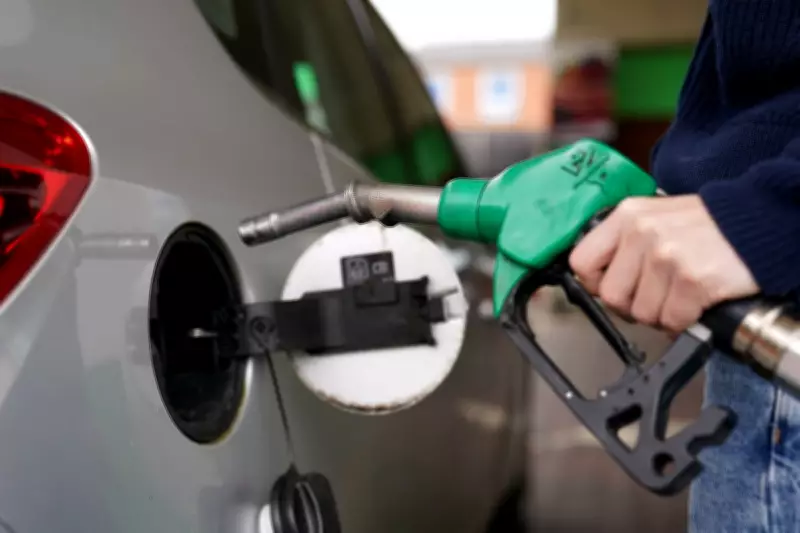
The worse-than-forecast figures have intensified fears that soaring fuel and energy prices, driven by the US-Israel war with Iran, will severely impact the UK economy at a time when it is already struggling to gain momentum. Economists have warned that a prolonged conflict and sustained spike in oil prices—which have surpassed 100 US dollars per barrel for the first time in nearly four years—could potentially push the economy into reverse in 2026.
Recent Economic Performance and Forecasts
This latest data follows meagre growth of just 0.1% in the final quarter of last year, amid budget uncertainty and a subdued performance in December. The Office for Budget Responsibility has already lowered its growth forecast for this year to 1.1% from 1.4% in the recent spring statement, even before the Iran conflict escalated.

Independent fiscal watchdog the OBR cautioned earlier this week that a sustained spike in energy prices, driven by the Middle East conflict, could result in UK inflation ending the year one percentage point higher than anticipated, reaching close to 3%.
Chancellor's Response and Economic Plan
Chancellor Rachel Reeves acknowledged the challenging environment, stating that the figures emerge amid an "uncertain world" where the Iran war threatens to drive up inflation. She emphasised the government's commitment to building a stronger and more secure economy by reducing the cost of living, cutting national debt, and fostering conditions for growth across all regions.
Risk of Stagflation and Recession
Thomas Pugh, chief economist at RSM UK, highlighted that the Middle East crisis raises the spectre of stagflation—a dangerous combination of rising inflation and stagnant economic performance—or even recession if prices continue to soar. He projected that if energy prices remain at current levels, growth could slip to around 0.5% this year, while further increases might trigger a recession similar to 2022, exacerbated by a weaker labour market and tighter monetary and fiscal policies.
Sectoral Performance and Construction Woes
The ONS figures revealed a particularly tough start for housebuilding, with private housing new work plunging by 5.6% in January—the worst performance since March 2020 at the onset of the Covid pandemic. In January, the all-important services sector showed no growth, while manufacturing output rose by 0.1%, partly due to a rebound in car production following the Jaguar Land Rover cyber attack. Construction overall saw a modest 0.2% increase.
Over the three months to January, GDP is estimated to have grown by 0.2%, according to the ONS.
Interest Rate Outlook and Mortgage Market
Experts suggest that Bank of England policymakers are likely to postpone interest rate cuts next Thursday, despite the UK's tepid economic performance in recent months. Barret Kupelian, chief economist at PwC, noted that while soft growth and a steady fiscal stance would typically support rate cuts, central banks are hesitant to ease policy amid geopolitical uncertainty. Some analysts have even speculated that the Bank may need to increase rates in response to the inflation spike caused by the war.
Lenders have already been withdrawing mortgage deals in anticipation of rates remaining higher for longer, reflecting the cautious stance in financial markets.