
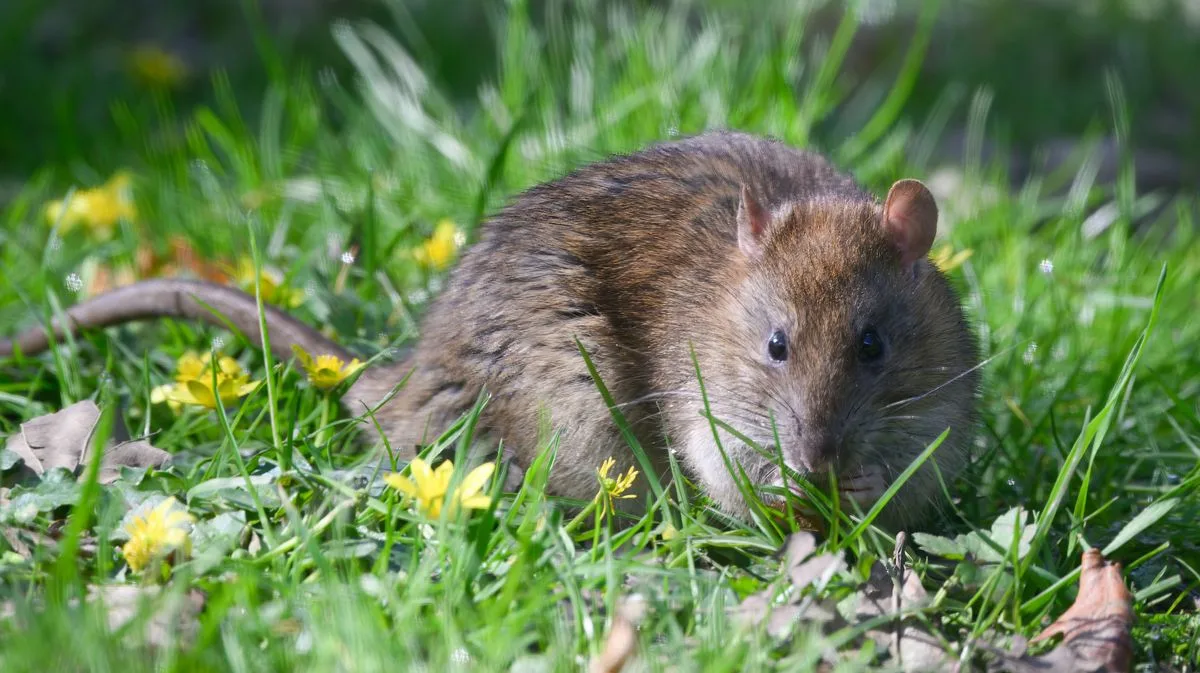
Rats can be a gardener's worst nightmare, often taking over outdoor spaces, especially during spring when they are at their peak breeding time. As the weather improves and gardeners return to tidy up, they may find that rats are also seeking shelter and food, making gardens an ideal location.
These creatures are mostly nocturnal, so their presence may go unnoticed until signs such as greasy tracks along walls, gnawed wood, burrows, or shredded materials appear. However, simple changes can make gardens less attractive to rats.
According to Gardeners' World, rats are 'neo-phobic', meaning they fear new things and dislike disruptions to their territory. By frequently moving items around the garden and placing obstacles in their runs, gardeners can deter rats without using toxic methods. Regular disruption, such as moving pots, can make rats uncomfortable and encourage them to move on.
Garden expert Alan Titchmarsh also offers advice, noting that compost heaps are particularly attractive to rats due to the heat from rotting vegetation. He recommends ensuring no gaps in the heap for rats to enter, possibly lining the inside with steel sheeting. Additionally, avoid putting processed food, cooked items, meat, or potatoes into the compost, as these invite rats. Instead, use mouldy apples and green clippings.
Keeping gardens clean and tidy is also urged, as mess attracts rats. These simple, non-toxic methods can help gardeners manage rat problems effectively.




