The UK economy unexpectedly flatlined in January, according to the latest data from the Office for National Statistics (ONS), which showed zero GDP growth for the month. This stagnation occurred even before heightened tensions in the Middle East, triggered by US-Iran conflicts, began to threaten global economic stability through soaring oil prices.
Economic Indicators Paint a Bleak Picture
On a three-monthly basis, growth was a modest 0.2%, a slight improvement from 0.1% in the previous quarter. However, this marginal uptick offers little solace for policymakers, particularly Shadow Chancellor Rachel Reeves, who has argued that her economic strategies would fortify the UK against external shocks.
Sectoral Breakdown Reveals Underlying Weaknesses
The services sector, a critical component of the UK economy, grew by 0.2% in the three months to January, buoyed by expansion in wholesale and retail. Yet, within this sector, employment activities such as recruitment consultancy plummeted by 5.7%, signaling a rapidly weakening labour market.

Production, including manufacturing, showed a healthier 1.2% growth, but this figure was artificially inflated by the recovery of Jaguar Land Rover from a cyber-attack-induced shutdown. More concerning was the construction sector, where output fell by a substantial 2% over the same period.
Construction Sector Slowdown Challenges Labour's Plans
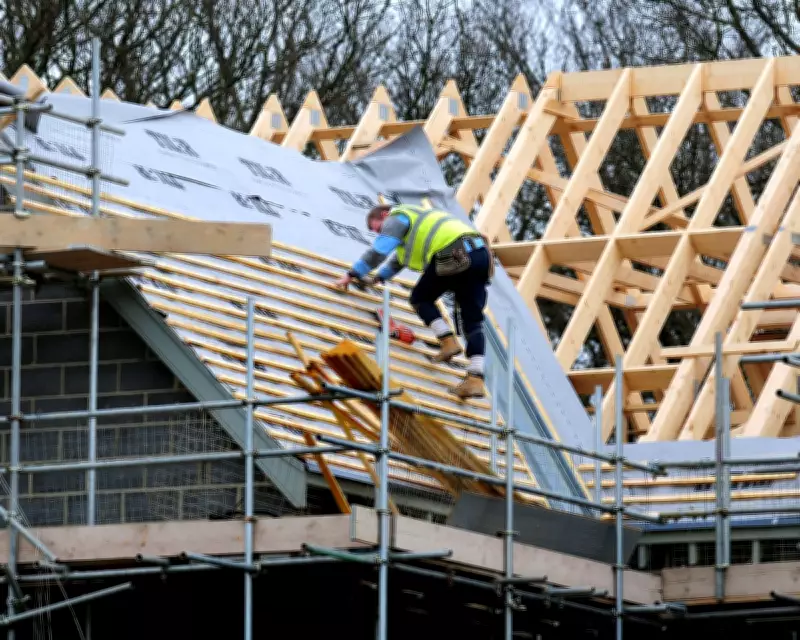
Construction is pivotal to Labour's promise to be builders, not blockers, with billions earmarked for infrastructure projects and a pledge to construct 1.5 million homes during this parliament. While there was a minor monthly increase of 0.2% in construction output in January, this came solely from repair and maintenance, with new work declining by 2%.
Oil Price Volatility Adds to Economic Woes
Oil prices have been fluctuating around $100 per barrel, and with the Strait of Hormuz effectively closed due to Iran's reprisals, they are likely to remain elevated. This surge will quickly impact consumers through higher petrol prices and could lead to increased utility bills when the next energy price cap is reviewed in July.
Inflation and Monetary Policy Concerns
The Bank of England is apprehensive that costly oil will fuel broader inflation across the economy. Markets now anticipate that the Monetary Policy Committee will maintain interest rates at 3.75% in its upcoming meeting, with doubts about any cuts in 2026. This contradicts Labour's expectations for rate reductions to boost consumer confidence and business borrowing.
Political and Economic Implications
Despite relatively strong business surveys, there is scant evidence in the latest data to suggest an economic uptick was imminent before Middle East hostilities escalated. In her forthcoming Mais Lecture, Rachel Reeves is expected to emphasize the importance of advancing her economic plan, but the current figures undermine claims of a resilient economy poised for recovery.
The combination of stagnant growth, sectoral weaknesses, and external pressures from oil markets paints a challenging outlook for the UK, raising questions about its ability to weather the impending economic storm.