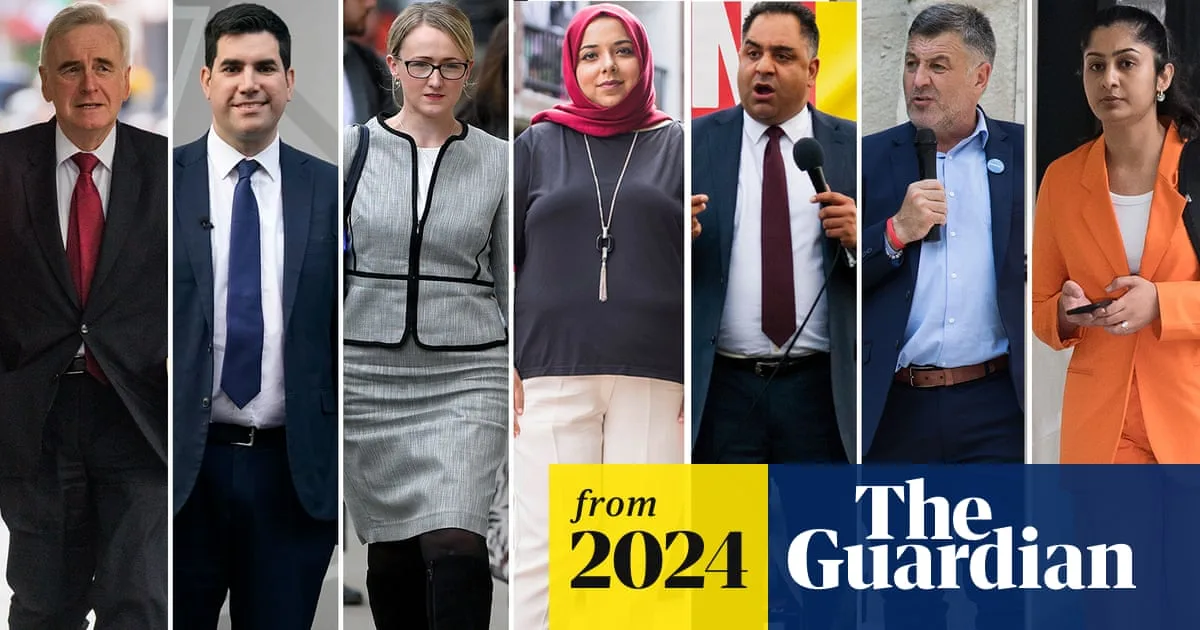
Keir Starmer has suspended seven Labour MPs for six months after they voted in favour of a Scottish National party amendment to scrap the two-child benefit limit. The move, which includes former shadow chancellor John McDonnell, marks an unprecedented response to an early rebellion in the new parliament.
The amendment was defeated by 363 votes to 103, a majority of 260 for Labour. Alongside McDonnell, the suspended MPs are Apsana Begum, Richard Burgon, Ian Byrne, Imran Hussain, Rebecca Long-Bailey and Zarah Sultana. A further 42 Labour MPs abstained from the vote.
Before the vote, McDonnell said: 'I don't like voting for other parties' amendments but I'm following Keir Starmer's example as he said put country before party.' The suspension has drawn criticism from some backbenchers, with Nottingham East MP Nadia Whittome describing the government's approach as 'appalling' and warning it could lead to poor decision-making.
The two-child cap, introduced in 2017, prevents parents from claiming benefits for more than two children, with some exceptions. Starmer indicated on Monday that the government would consider scrapping the cap as part of a review into child poverty, a shift from previous statements that it was unaffordable.
The SNP amendment was signed by 21 MPs, including Green party, Plaid Cymru and three independents, one of whom was former Labour leader Jeremy Corbyn. Green MP Siân Berry said the vote 'shown the value of Green MPs able to vote with our conscience'.