

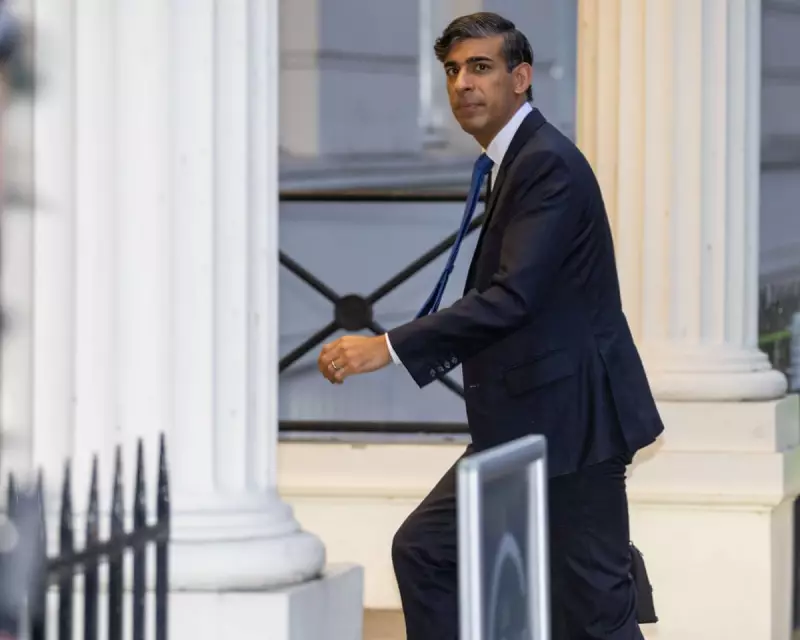
Rishi Sunak has revealed the intense pressure he faced as Chancellor in the early days of the Covid-19 pandemic, admitting he was deeply worried about the UK's ability to fund itself after launching unprecedented rescue packages.
'Acutely Stressful' Turmoil in the Gilt Market
Giving evidence to the official Covid-19 inquiry in London on Monday, the former Prime Minister, who was Chancellor when the first lockdown was announced, described an atmosphere of intense anxiety. He said it was "acutely stressful" to witness a rapid and material tightening of UK financial conditions just a month into his tenure at the Treasury.
Sunak explained that he feared foreign investors had grown more concerned about Britain's fiscal sustainability than about other nations in a similar position. This was reflected in rising interest costs on government bonds, or gilts, causing major turmoil in the world's oldest major asset market during April 2020.

The Emergency 'Ways and Means' Backstop
In response to this crisis, Sunak disclosed that the government and the Bank of England organised a secretive emergency facility. "We organised with the Bank of England something called the 'ways and means' facility," he told the inquiry. This was effectively a large overdraft intended as a last-resort backstop if the government failed to raise the money it needed on the open bond markets.
He confirmed the facility, last used during the 2008 financial crisis, was thankfully never needed. Instead, the Bank of England extended its quantitative easing programme by £200 billion to purchase government bonds, a move that ultimately eased investor concerns.
Prioritising Jobs and Preventing Social Breakdown
Sunak defended the enormous cost of interventions like the furlough scheme, arguing that the primary goal was to prevent mass unemployment, which he described as the government's "biggest fear". He agreed with Bank of England Governor Andrew Bailey's earlier testimony that, without significant state intervention, there was a genuine risk of a breakdown in social order.
The former Chancellor said projections at the time suggested unemployment could skyrocket from around 4% to 12%, leaving millions without work. Official figures later showed the scale of the crisis: between January-March and October-December 2020, the number of people in work fell by 825,000, while unemployment rose by almost 400,000.
Sunak concluded by stating there was no "perfect science" to his decisions, acknowledging he was constantly weighing difficult economic trade-offs. "It wasn't going to be possible to save every single person's job," he said, adding that he felt it was important to be honest with the public about the inevitable hardship from the outset.






