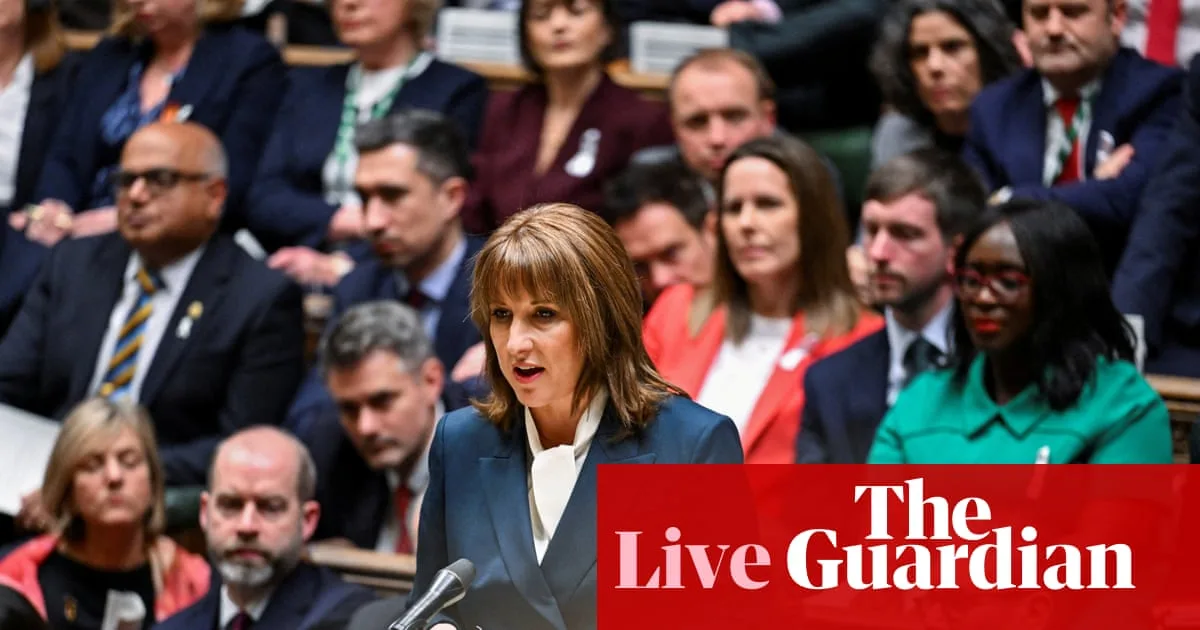
Chancellor Rachel Reeves's first major budget has sparked a political firestorm, leaving Prime Minister Keir Starmer to mount a vigorous defence amid plummeting public approval and accusations of misleading the electorate.
A Budget's Mixed Reception and Mounting Pressure
The financial statement, delivered last week, received a warm initial welcome from two crucial audiences: Labour MPs and the bond markets. However, its popularity with the wider public has been conspicuously absent. Polls indicate voters deemed the measures unfair, causing Reeves's already low approval ratings to sink further.
The situation deteriorated rapidly when a fierce dispute erupted over whether the Chancellor misled the public about the size of the so-called "black hole" in the nation's finances. This controversy has led Conservative opponents to demand her sacking, creating a fraught backdrop for Prime Minister Starmer as he attempts to sell the budget to a sceptical nation.
Starmer's Defence: Growth and Welfare Reform
In a speech in London and a pre-released article for the Guardian, Starmer moved to recalibrate the budget's message. He directly addressed two of the most persistent criticisms levelled at Reeves's statement.
Firstly, countering claims the budget lacked a growth strategy, Starmer emphasised his government's commitment to deregulation as a key pro-growth initiative. Secondly, he tackled the critique that increased welfare spending was not paired with reform. While offering scant detail, the Prime Minister insisted his commitment to overhauling the welfare system was unwavering.
"We have to confront the reality that our welfare state is trapping people, not just in poverty, but out of work. Young people especially," Starmer stated. He described this as a "poverty of ambition," pledging investment in apprenticeships and guaranteed training or work offers for unemployed young people.
"We must also reform the welfare state itself," he continued, arguing the current system can trap individuals with mental health issues or disabilities in "a cycle of worklessness and dependency for decades."
The 'Black Hole' Row and Cabinet Disquiet
Despite Starmer's efforts, the media focus remains fixed on allegations of misleading pre-budget messaging. A report in The Times suggests even some government ministers are privately critical of the Treasury's handling of the Office for Budget Responsibility (OBR) forecasts.
One unnamed cabinet minister told the paper: "Why did Keir and Rachel allow the country to believe for so long that we would break our manifesto by putting up income tax by 2p when they would have known that wasn't true?" The minister criticised the lack of cabinet briefing on the true OBR forecasts, calling the budget handling "a disaster from start to finish."
Cabinet Office Minister Darren Jones, defending the Chancellor, reiterated Reeves's position. He argued that while a productivity downgrade worsened the fiscal picture, it was offset by higher-than-expected tax revenues—a point not publicly emphasised before the budget. However, both he and Reeves maintain that tax rises were still necessary to create adequate fiscal headroom, claiming the OBR's revealed surplus would have been insufficient.
The row is set to continue in Parliament, with a minister likely to face an urgent question regarding the OBR's statements about the pre-budget forecasts it supplied to the Treasury.