

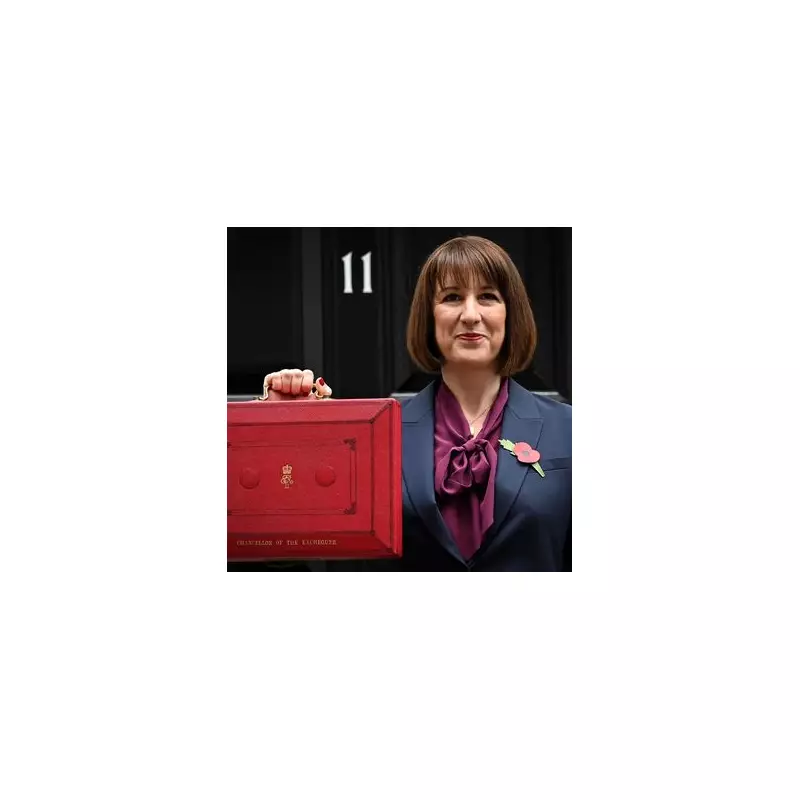
Chancellor Rachel Reeves has dramatically scrapped plans to raise income tax rates in the upcoming November Budget, following intense political pressure and better-than-expected economic forecasts. This U-turn means the government will not break its manifesto pledge, but millions of Britons could still face significant tax increases through alternative measures.
The Stealth Tax Alternatives
With the original plan to increase income tax rates now abandoned, the Treasury is exploring other avenues to raise revenue. The Office for Budget Responsibility (OBR) has revised its forecast, indicating the black hole in public finances is now closer to £20 billion rather than the feared £30 billion. Despite this improved outlook, the Chancellor still faces tough decisions between tax hikes and spending cuts.
One prominent option under consideration is reducing the thresholds at which people pay different rates of income tax. Currently, the personal allowance stands at £12,570, with the basic rate of 20% applied to earnings between £12,571 and £50,270. The higher rate of 40% kicks in at £50,271, and the additional rate of 45% applies to income over £125,140.

The Financial Impact and Political Fallout
According to the think tank the Resolution Foundation, lowering the higher rate threshold from £50,270 to £46,000 by the 2029/30 tax year could generate a substantial £9 billion for the Treasury. This would surpass the £6 billion expected from the abandoned plan, which involved a 2p income tax rise offset by a cut to employee National Insurance.
While this move would protect lower earners, it would directly impact an estimated 30% of workers, including many in the public sector. Experts at Pantheon Macroeconomics suggest that a blanket 10% reduction on all income tax thresholds could raise a staggering £17 billion by 2028/29. However, their chief UK economist, Rob Wood, and senior UK economist, Elliott Jordan-Doak, caution that such a measure would “break the spirit of the manifesto” and be politically challenging.
The Extension of the Threshold Freeze
Another widely speculated move is extending the current freeze on personal tax and National Insurance thresholds for an additional two years from April 2028. The Institute for Fiscal Studies (IFS) estimates this stealth tax would raise £8.3 billion a year by 2030.
This policy is termed a stealth tax because as wages rise, people are pushed into higher tax brackets without the government explicitly changing the rates. The IFS warns that if the freeze continues, by 2029/30, a person on the minimum wage would need to work just 18 hours a week to become liable for income tax—the lowest level since the minimum wage was introduced in 1999.
Furthermore, millions more pensioners receiving the full new state pension could be dragged into the tax net by 2027/28. Matthew Oulton, a research economist at IFS, stated: “The freezes to personal tax thresholds have already represented a huge tax rise. Extending them would raise significant revenue in a broad-based and progressive way. It would increase tax on all employees working full-time, most working part-time, most minimum wage workers and many low-income pensioners.”






