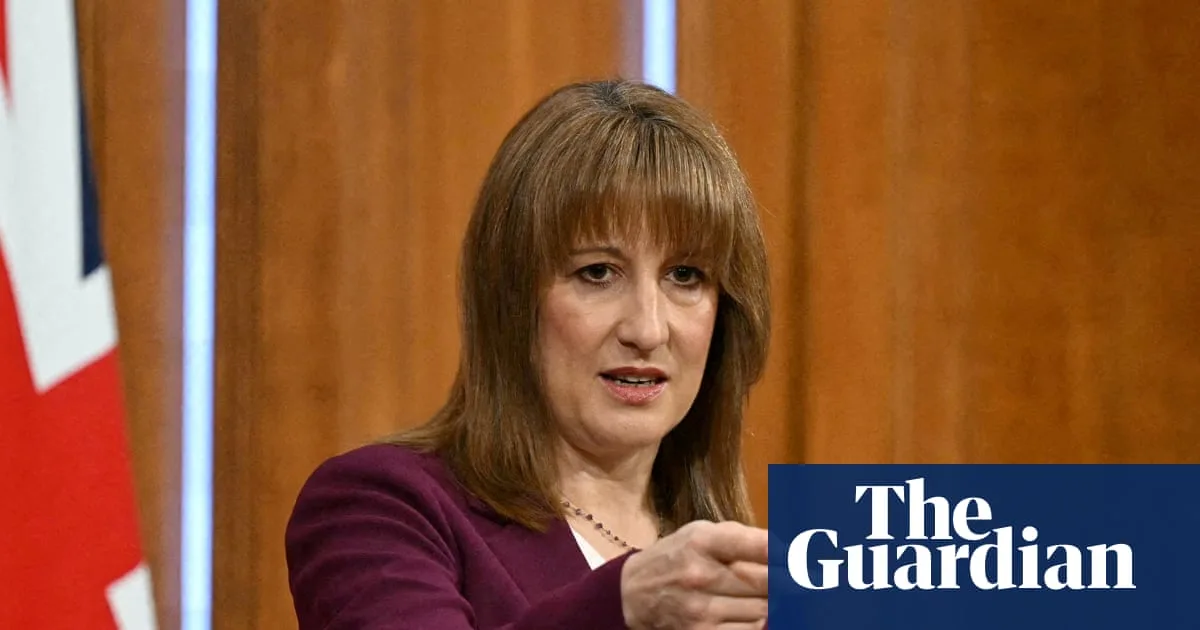
Chancellor Rachel Reeves has performed a dramatic U-turn on her budget plans, dropping a proposed rise in income tax rates after weeks of preparation and internal debate. The decision, taken on Wednesday, came amid a political backlash over Keir Starmer’s leadership and revised official forecasts showing a smaller fiscal shortfall than previously thought.
Internal government discussions had split between two camps: one advocating for an income tax increase – the first in 50 years – to address a £30bn gap, and the other warning that breaking a key manifesto pledge would be political suicide. Reeves had appeared to side with the first camp, delivering speeches and interviews hinting at difficult choices, but she changed course when the Office for Budget Responsibility’s updated projections reduced the shortfall to about £20bn.
Government insiders said the last-minute shift was also motivated by a desire to avoid compounding political turmoil. “There are good economic reasons not to raise income tax, but politics played a part – it always does,” an official noted. The chancellor had previously confirmed income tax was among “major measures” under consideration, and as late as Monday she told the BBC that sticking with manifesto commitments would require “deep cuts in capital spending.”
Alternative options, including freezing tax thresholds and adjusting National Insurance contributions, remained on the table. The OBR had scrapped some proposed tax rises – such as removing breaks for professionals in partnerships – after judging they would raise insufficient revenue. Reeves is now expected to pursue a “smorgasbord” of other tax increases to meet her fiscal rules, while avoiding the political fallout of breaking a core manifesto promise.