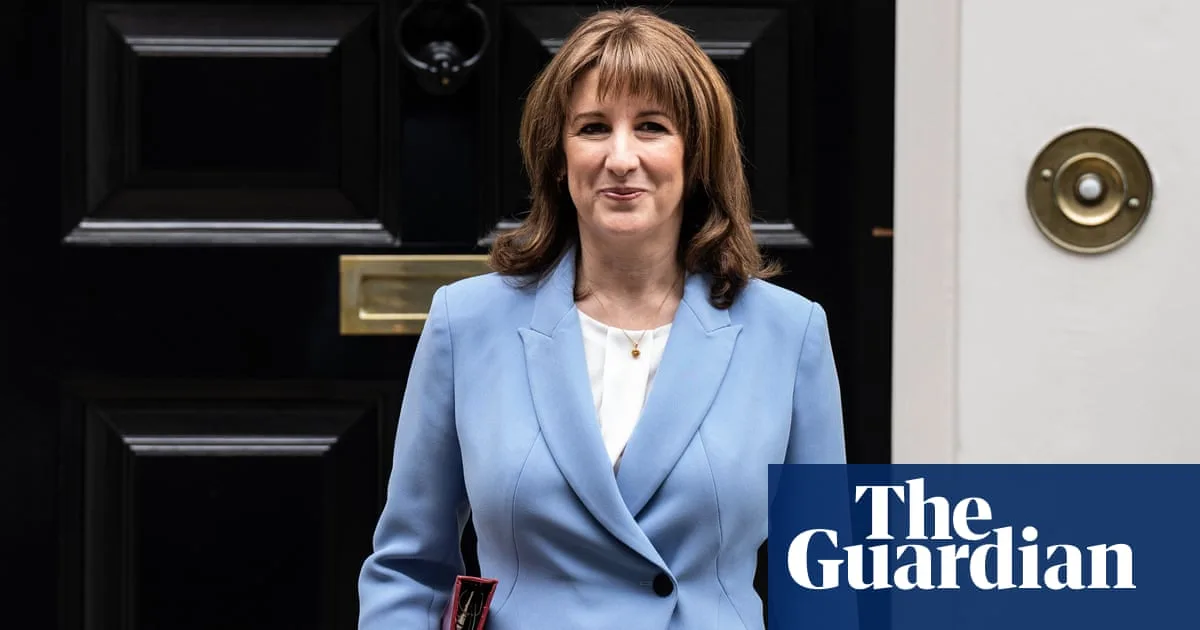
Soaring global energy prices due to the widening Middle East conflict could jeopardise Rachel Reeves' plan to conquer inflation and rekindle growth, economists have warned. The chancellor is set to deliver her spring forecast later today, with the Office for Budget Responsibility (OBR) expected to show public finances moving in the right direction.
However, experts caution that the OBR projections could soon become outdated if the surge in oil and gas prices proves long-lasting. Benchmark European gas prices rose over 40% on Monday, while Brent crude oil surged 6% amid fears of supply disruptions. Mujtaba Rahman of Eurasia Group noted that the government now faces a crisis outside its control, creating a major headwind for the economy.
The cost of living and interest rates, two areas the government has trumpeted most, are now at risk. James Smith, chief economist at the Resolution Foundation, said the inflation outlook is higher and cost of living pressures greater, particularly if the conflict continues. Markets have already reduced the probability of a Bank of England interest rate cut in March from 80% to just above 50%.
Reeves will insist that the UK has a stronger and more secure economy due to decisions already taken, with inflation and interest rates falling. But Chris Beauchamp of IG compared the situation to the price spike after Russia's invasion of Ukraine, warning that hopes for more rate cuts could be dashed. The Liberal Democrats have urged Reeves to cancel September's planned fuel duty increase to cushion the blow.