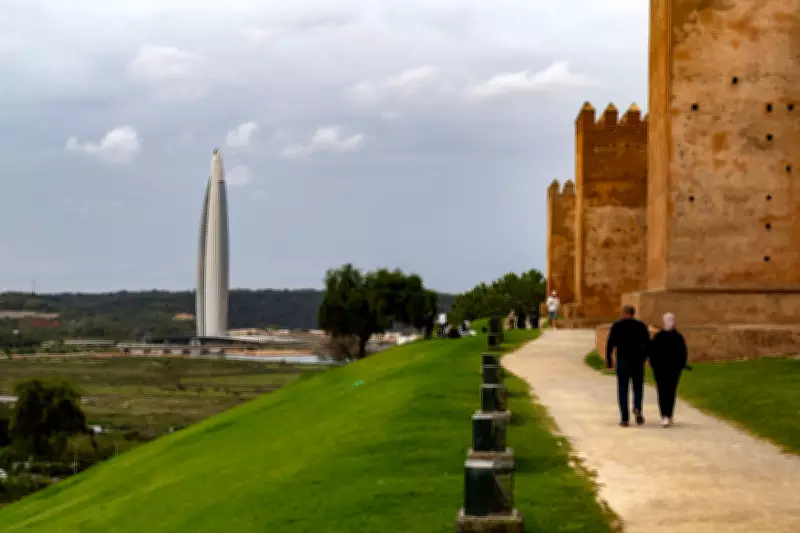
Morocco has inaugurated a $700 million, 55-story skyscraper, marking a significant step in the country's expanding global ambitions. The Mohammed VI Tower, named after King Mohammed VI and inspired by a rocket on its launchpad, opened this week in Salé, the twin city of the capital Rabat.
Key Features of the Tower
The 820-foot structure will house a luxury Waldorf Astoria hotel, offices, shops, restaurants, and upscale apartments. It is among Africa's tallest skyscrapers and is expected to generate 450 direct jobs and 3,500 indirect ones, according to Leila Haddaoui, director of development company O Tower.
Construction and Design
Built over eight years with more than 2,500 workers from over a dozen countries, the tower has already been featured on Morocco's 200-dirham banknote. It stands near the Grand Theatre of Rabat, designed by the late Iraqi-British architect Zaha Hadid, and offers views of the Atlantic Ocean and the twin cities.

Economic and Tourism Impact
With this project, Morocco aims to position Rabat and Salé on the international stage, as part of a broader tourism push. Already Africa's most visited country, Morocco relies heavily on tourism and is seeking to attract more visitors, especially as regional conflicts steer travelers toward perceived safer destinations. The effort coincides with preparations to co-host the 2030 FIFA World Cup.
Symbol of Soft Power
For its founders, the tower symbolizes Morocco's growing soft power in Africa and the Middle East. It reflects the country's ambition to become a leading regional player through high-profile development projects aimed at expanding its influence.
Criticism and Challenges
Critics argue that development is concentrated along Morocco's Atlantic corridor, leaving other areas underdeveloped. Gen Z-led protests last year highlighted grievances over high unemployment and struggling public services.
Background of the Tower
The tower, with a total area of more than 102,800 square meters, was conceived by Othmane Benjelloun, a 93-year-old billionaire who owns Bank of Africa. The magnate was invited by NASA in 1969 to a spaceflight simulation ahead of the Apollo 12 mission, and the idea for the skyscraper was born from that visit, according to a statement by tower management.