

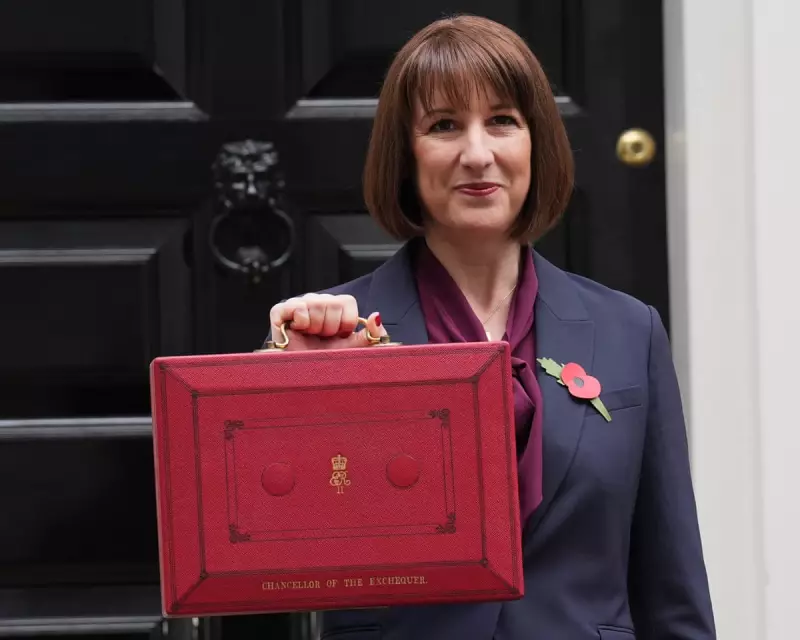
Chancellor Rachel Reeves stands at a critical juncture as she prepares to deliver what many are calling her most important budget statement this Wednesday. The Labour chancellor faces mounting pressure to restore economic stability after months of uncertainty that has characterised the buildup to this fiscal event.
The Challenge of Economic Stability
Treasury insiders maintain that Reeves has consistently adhered to Labour values, with her priorities firmly set on the NHS, cost of living, and public debt since July. However, the combination of volatile bond markets, strict fiscal rules, and her decision to operate with less than £10bn of headroom has created months of indecision and market nervousness.
This prolonged uncertainty represents a departure from the norm for British budgets. Outside of immediate post-election statements or economic crises, budgets are meant to be reassuringly dull affairs. Chancellors with clearly understood principles typically maintain a steady hand on tax and spend policy, avoiding the drama that has surrounded this year's preparations.

Learning from Budget Disasters
History shows that memorable budgets often prove to be disastrous ones. Gordon Brown's controversial abolition of the 10p income tax rate in 2008, George Osborne's infamous "omnishambles" budget in 2012, and Anthony Barber's 1971 "dash for growth" that sparked unsustainable inflation all serve as cautionary tales.
Reeves had initially positioned herself as the antidote to Conservative chaos, promising cautious stewardship that would attract investment and foster growth. Yet the anticipated stability has failed to materialise, partly due to global economic pressures but also because of the government's struggle to communicate clearly even to its own MPs.
Three Key Tests for Wednesday
The chancellor faces three critical challenges in her upcoming statement. Firstly, she must significantly increase her fiscal headroom, with markets expecting a doubling to around £20bn. While this involves difficult trade-offs between tax rises and economic growth, sufficient breathing space would prevent every economic data point triggering market reassessment of her fiscal rules.
Secondly, Reeves appears ready to downgrade the status of the Office for Budget Responsibility's spring forecast. This change, recommended by the International Monetary Fund, would see the OBR comment on the economy without formally assessing her against fiscal targets. The UK remains unusual in having two major fiscal events annually, and reducing the drama surrounding OBR forecasts could prove beneficial.
Thirdly, and perhaps most challengingly, Reeves must articulate a clear direction for Labour's economic transformation. Her manifesto promised change, but the means of achieving it while ensuring fair distribution of costs remains unclear. The "one and done" approach of last year's budget, where she suggested she wouldn't need further tax rises after implementing £40bn in increases, provided little guidance for handling current challenges.
Instead of initiating reviews on wealth taxation, council tax reform, or examining the pensions triple lock, the government found itself constrained by manifesto promises. The resulting £25bn increase in employer national insurance contributions has, according to many observers including the Bank of England, hampered hiring and contributed to inflation.
Reeves now faces the prospect of implementing policies she previously criticised, such as freezing income tax thresholds, which she once said would "hurt working people." How she justifies these decisions and ties together what may be a collection of tax changes will be crucial to the budget's coherence and public reception.
From bond market participants to frustrated voters, all stakeholders would benefit from a clearer understanding of this Labour chancellor's principles and purpose. Achieving this clarity might just make next year's budget the boring, stable affair that Britain's economy desperately needs.






