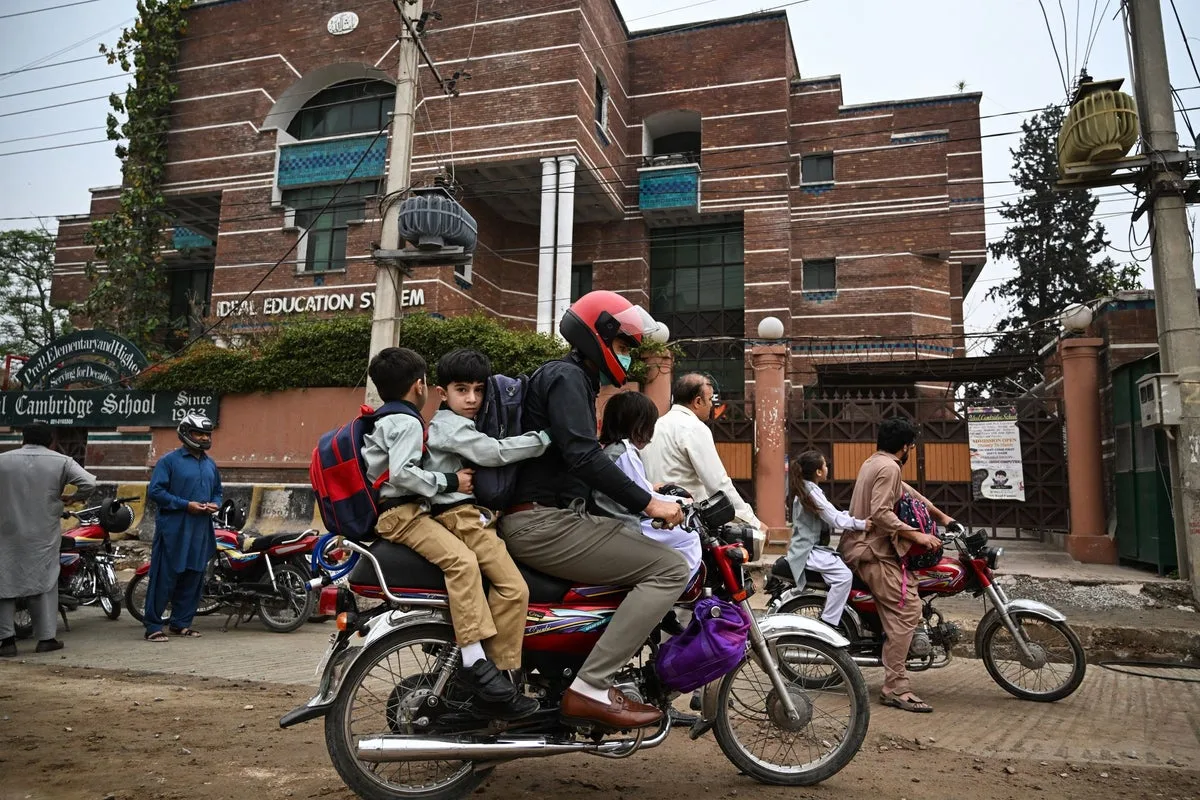
Pakistan has introduced emergency measures in response to rising global fuel prices, shutting all schools for two weeks and ordering the public sector to operate on a four-day week. Prime Minister Shehbaz Sharif announced the measures, warning that the government needed to reduce fuel consumption and prepare for potential supply shocks given the situation in the Middle East.
In a televised address, Mr Sharif said schools across the country would close for two weeks, while universities and other higher education institutions will switch to online classes to maintain academic activity while limiting travel. He also announced a 50 per cent cut in fuel allowances for government departments over the next two months, with public offices open only four days a week and half of government employees ordered to work remotely.
The government will ground 60 per cent of official vehicles for two months, while federal ministers will forgo salaries and parliamentarians will face a 25 per cent pay cut as part of broader austerity measures. A ban has been imposed on purchasing vehicles, furniture and air conditioners for government offices, along with restrictions on foreign travel unless essential. Departments have been directed to hold meetings online and cancel official dinners and iftar parties during Ramadan.
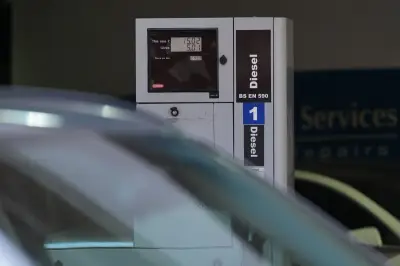
Pakistan’s heavy reliance on imported fuel leaves the economy vulnerable whenever oil prices surge or supply routes are threatened. On Friday last week, fuel prices in Pakistan rose by roughly 20 per cent after US and Israeli strikes against Iran, triggering long queues at petrol stations across the country. The government has also raised petrol and diesel prices by up to 55 Pakistani rupees, drawing sharp criticism from opposition leaders and the public.
During his address, Mr Sharif condemned the US-Israeli attacks on Iran but also criticised Iran’s retaliatory attacks on neighbours, stating that the conflict poses a great threat to the whole region. The Pakistan Navy has launched Operation Muhafiz-ul-Bahr to escort merchant vessels and ensure uninterrupted energy supplies amid regional conflict disrupting oil tanker traffic.