

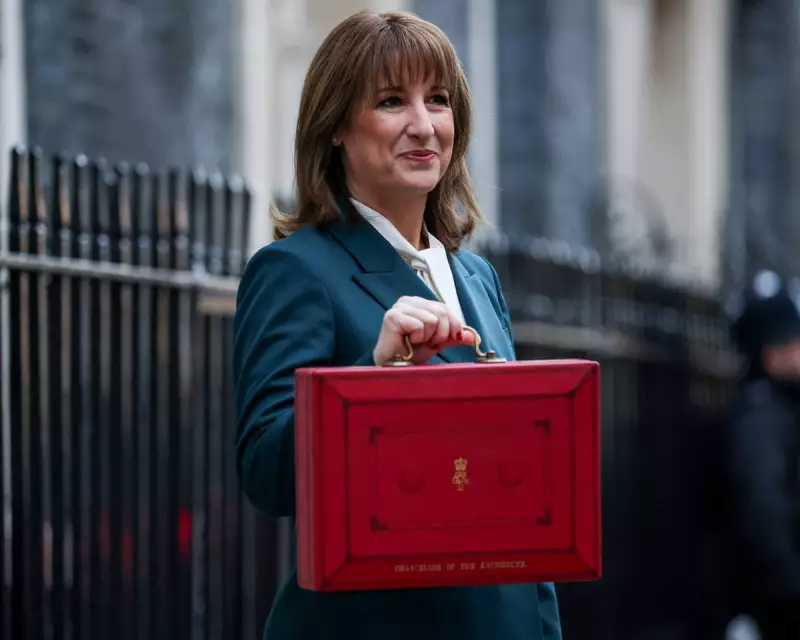
The Office for Budget Responsibility, the UK's independent fiscal watchdog, is facing profound questions about its future after a week of damaging revelations and internal turmoil. The institution, tasked with providing impartial economic forecasts, has been rocked by a series of confidential information leaks and the sudden resignation of one of its most senior officials.
A Week of Turmoil for the Fiscal Watchdog
The crisis escalated when Richard Hughes, the chair of the OBR, was forced to issue a public apology to the Chancellor. This came after sensitive details from a draft of the OBR's economic forecast were leaked to the media ahead of the Autumn Statement. This was not an isolated incident; it followed another significant leak just weeks prior concerning the government's spending plans.
Compounding the instability, David Miles, one of the three members of the OBR's independent Budget Responsibility Committee, announced his resignation. While officially stepping down for personal reasons, the timing amidst the leak scandal has raised eyebrows across Whitehall and Westminster, fuelling speculation about the internal climate at the organisation.

Mounting Pressure and Political Fallout
The repeated breaches of confidentiality have severely strained the OBR's crucial relationship with the Treasury. The trust required for the seamless sharing of sensitive government data, which underpins the OBR's forecasts, has been fundamentally damaged. Senior figures within the government are now openly questioning the watchdog's operational security and discipline.
This series of events has ignited a fierce debate about whether the OBR, established in 2010 to bring transparency to the public finances, remains fit for purpose. Critics argue that the leaks undermine its core mandate of impartiality and controlled disclosure, while supporters warn that weakening the OBR would be a severe setback for fiscal accountability.
An Uncertain Future for Economic Scrutiny
The immediate consequence is a cloud of uncertainty hanging over the OBR's next moves and its ability to function effectively. The resignation of a key committee member creates a vacancy that must be filled with a credible and independent figure, a process that will be closely scrutinised.
Furthermore, the leaks have handed political ammunition to those who may wish to curtail the watchdog's influence. The OBR's role in assessing government performance against its fiscal rules is inherently political, and its current weakened state makes it more vulnerable to external pressure.
The coming months will be critical. The OBR must urgently review its internal procedures to prevent further leaks, restore trust with the Treasury, and demonstrate that it can continue to provide the robust, independent analysis that has become a cornerstone of UK budget reporting. Its long-term credibility, and perhaps its very existence in its current form, now depends on it.






