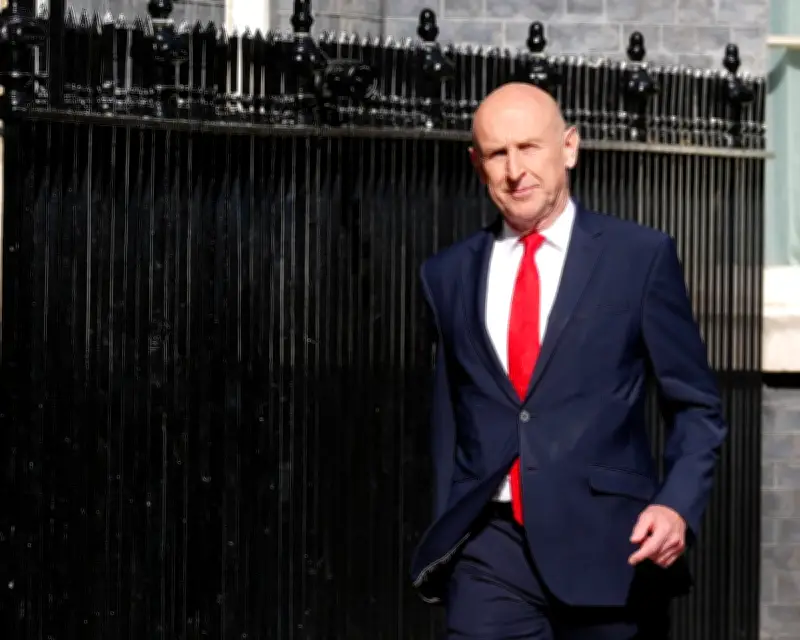
The new UK chancellor John Healey faces a daunting challenge to address the cost-of-living crisis, with household incomes set to fall across a decade for the first time on modern record. Prime Minister Andy Burnham has promised urgent action, but the economic situation is more complicated than ever.
Inheriting a dire outlook
Before Rachel Reeves took office, the average family was set to be worse off in 2029 than in 2019. Normally, household incomes rise by about £5,000 (2026 prices) every five years. Never before have they fallen across an entire decade. Healey inherits essentially the same outlook for living standards, but with half as much time to act before facing voters.
Triple bind for the new chancellor
The economic situation is more complex now. Household and business spending is drying up, requiring interest rate cuts or government support. Yet inflation and borrowing costs are elevated, with fresh price pressures from the conflict in Iran. The Bank of England is more likely to raise interest rates than cut them. Any clumsy government intervention risks higher borrowing costs.
The key problem is providing support for families without provoking higher interest rates. The answer: lower inflation by pushing down essential prices, paid for with higher tax contributions or foregone profit from investment income.
Proposed solutions: energy and rents
On energy, the temporary VAT cut on electricity is a good signal, but the Joseph Rowntree Foundation recommends an "affordable energy guarantee" that reforms the Ofgem pricing system to provide cheaper energy for everyone, with larger portions for lower-income households. This could replace the VAT cut and be funded by closing the tax gap between capital gains and earnings from work.
On renting, government should intervene to slow rent growth nationally, allowing mayors to tailor measures locally. This should be accompanied by rebalancing landlord taxation: allowing mortgaged landlords to fully deduct interest costs, paid for by charging national insurance on remaining income. This could reduce the number of landlords in financial distress.
Potential impact
New modelling shows a package on energy, rents and tax could return real incomes to growth for a majority of households, more than making up for the fall in incomes from the last parliament and anticipated effects from the Middle East conflict. These measures could also reduce inflation by half a percentage point, easing pressure for higher interest rates.
Improving household economic security also drives long-term economic growth. When people are more financially secure, they are more productive and more likely to risk moving to a better job.
Challenges ahead
Healey must sort competing demands and manage noise from those losing out from tax reform. Burnham is right to make "breathing space" from the cost of living his early priority. The question is whether Healey can deliver it. Voters were promised a "change" chancellor once already – they need one now.