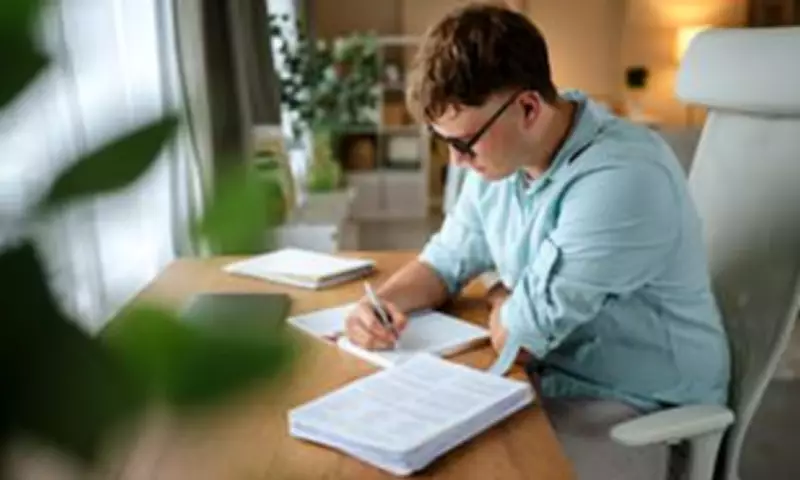
A 26-year-old Australian man earning $90,000 a year has revealed the 'humiliating' reality of still living with his parents, sparking a wider conversation about how impossible the housing market has become for single people. The man admitted he feels 'pathetic' for remaining at home despite having what many would consider a strong salary and stable job.
'With rent being more expensive than ever, moving out has been more daunting than it's ever been,' he wrote on Reddit. 'Especially for single folks, as a dual income in a relationship definitely makes it a lot easier.' The man explained that while living at home has allowed him to save money and maintain a good relationship with his parents, he still struggles with the stigma attached to staying at home into his late 20s.
'It is making me feel like a bit of a loser. I have a great home situation and obviously it's allowed me to save up a lot of money which has been great. At the same time, it seems like staying home being almost 30 is fairly pathetic.' His post quickly struck a nerve with Australians across multiple generations, many of whom admitted they were either still living with family, considering moving back home, or had done so recently to survive soaring rents and cost-of-living pressures.

The shifting timeline of adulthood
For decades, moving out in your late teens or early 20s was treated as a milestone of adulthood in Australia - proof of independence, financial stability, and personal growth. But for many young Australians today, that timeline has collapsed. Skyrocketing rents, stagnant wage growth, and rising house prices have fundamentally changed what adulthood looks like, particularly for people navigating life alone.
Increasingly, being single has become one of the biggest financial disadvantages of all. Without a partner to split rent, bills, and groceries with, many single Australians say even relatively high salaries no longer stretch far enough to comfortably afford independent living - especially in major cities.
Voices from the discussion
'I'm 29, single, and make $60,000 and live at home so I completely get it,' one commenter wrote. Another admitted they were considering moving back in with their parents at 27 because they could 'only afford to survive'. 'There's no chance I'll be able to afford a house otherwise,' they said. Others argued the stigma around living at home simply hasn't caught up with economic reality.
'The people who'd judge someone for living at home in this economy aren't worth listening to,' one person wrote. Many pointed out that staying at home had allowed them to save for a house deposit far faster than renting ever could. One commenter said they lived with their parents until 28 and managed to save enough to buy property, while another said moving home at 33 had helped them accumulate more savings in a year than they had in an entire decade of renting.
'Rented for 10 years and had a quarter of the savings I have now after one year,' they wrote. The conversation also highlighted a growing cultural divide around multigenerational living. For many Australians from ethnic backgrounds, living at home until marriage or later adulthood remains entirely normal - and often financially encouraged.
'I'm from an ethnic background so living at home until you're married is 100 per cent the norm,' one commenter explained. Others said Western ideas about independence were increasingly clashing with the realities of modern housing affordability.
Different perspectives
Still, not everyone agreed staying home long-term was the ideal solution. Some argued that while financially practical, living independently teaches important life skills and social confidence that can be difficult to develop otherwise. 'There's more to life than money,' one commenter wrote. 'Living in a share house, even for a spell, is great for personal development.' Another admitted they worried younger Australians were missing formative experiences that once came with early independence - chaotic share houses, spontaneous nights out, and learning how to manage life on your own.

'How awkward to take someone home and have your parents in the next room,' one joked. But even those commenters acknowledged how dramatically circumstances have changed. Many older Australians reflected on being able to rent, socialise and still save for a home in their 20s - something younger workers increasingly describe as impossible. One university tutor recalled being shocked years ago to discover how many students openly lived at home.
'In my undergraduate days nobody still lived at home, and if you did you sure as hell didn't tell anybody,' they wrote. 'Times have changed.' The emotional complexity of staying home also emerged throughout the discussion. For some, it represented safety, family connection, and financial security. For others, it carried shame, embarrassment, and the lingering feeling of falling behind peers.
Encouragement and a broader shift
Yet many commenters urged the man not to view his situation as failure. 'You're going to appreciate the extra time you had with your parents later on,' one person wrote. Another pointed out that living with parents often returns later in life anyway - particularly as parents age and caring responsibilities shift. 'At some point in my life I'll be living with a parent again,' a 46-year-old commenter explained. 'Just under different circumstances.'
In many ways, the discussion revealed a broader shift happening quietly across Australia. The old markers of adulthood - moving out young, buying property early, living independently through your 20s - no longer fit neatly into modern economic reality. And for a growing number of Australians, especially those navigating life alone, living at home is becoming less of a personal failure and more of a financial strategy.