IMF Issues Dire Warning Over Trump's Iran Conflict and Global Economic Fallout
The International Monetary Fund has delivered a stark assessment of the economic consequences of Donald Trump's military conflict with Iran, warning that the war risks triggering a global recession and could cause an energy crisis of unprecedented scale.
Global Economy Thrown Off Course
In its latest economic outlook, the influential financial body stated that the international economic landscape has "abruptly darkened" as a direct result of the ongoing hostilities. The IMF cautioned that the conflict threatens to throw the global economy "off course" and warned that in a severe scenario involving further turmoil, a worldwide recession could become a "close call."
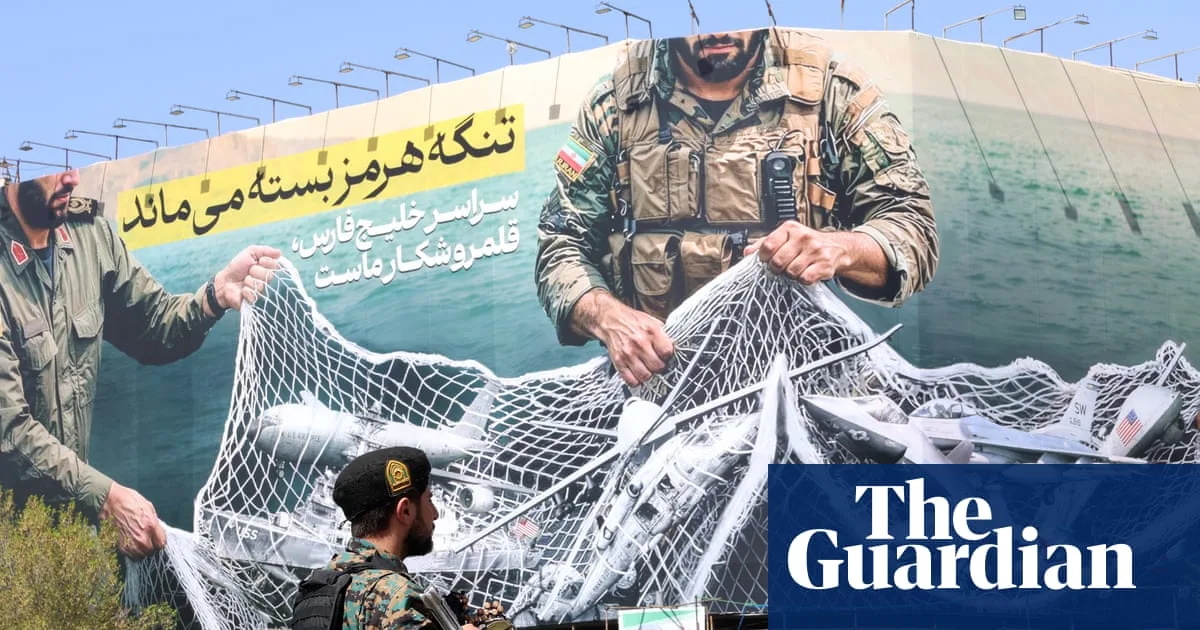
IMF economic counsellor Pierre-Olivier Gourinchas emphasized in a foreword to the report that the war has knocked the global economy off its previous steady growth trajectory. He highlighted the particular danger of energy supply disruptions, stating: "The closure of the Strait of Hormuz and serious damage to critical production facilities in a region central to global hydrocarbon supply could cause an energy crisis on an unprecedented scale."
UK Faces Biggest Economic Hit Among Major Economies
Of all major global economies, the United Kingdom faces the most significant impact on growth, according to the IMF's analysis. The organization has substantially downgraded its UK growth forecasts for the next two years, predicting GDP will expand by just 0.8 percent this year and 1.3 percent next year. These figures represent a marked reduction from January's more optimistic projections of 1.3 percent growth this year and 1.5 percent in 2027.
The IMF attributes Britain's economic downgrade to both the Middle East conflict and weak domestic growth experienced late last year. The UK economy grew by 1.3 percent last year before the current crisis escalated.
Inflation and Unemployment Set to Rise
In a further blow to Chancellor Rachel Reeves and the government, the IMF predicts that UK inflation will increase significantly, driven primarily by soaring energy prices, more expensive fuel, and rising food costs. The organization now forecasts average inflation of 3.2 percent this year and 2.4 percent next year, up from previous predictions of 2.5 percent and 2 percent respectively.
Petrol prices have already surged by 19 percent since the conflict began, while diesel costs have increased by more than a third. The IMF also anticipates UK unemployment will rise to 5.6 percent this year, up from 4.9 percent last year.
Global Recession Risk and Diplomatic Developments
The IMF report outlines a severe scenario in which continued conflict in the Gulf region over coming months could reduce global growth by 1.3 percentage points in 2026. The organization noted that this would create conditions dangerously close to a global recession, defined as growth below 2 percent. Such global recessions have occurred only four times since 1980, with the most recent instances being the global financial crisis and the COVID-19 pandemic.
Diplomatic developments offered some hope for de-escalation, with President Trump suggesting on Tuesday that ceasefire negotiations with Iran could restart "over the next two days." Reports also emerged that Tehran is considering pausing its shipments through the strategically vital Strait of Hormuz in an effort to revive talks.
However, Trump simultaneously criticized the UK, reiterating his calls for Britain to expand oil and gas drilling in the North Sea to address the growing energy crisis.
Political Reactions and Government Response
Chancellor Rachel Reeves, who is scheduled to attend the IMF's spring meeting in Washington, criticized Trump's "folly" in initiating a war without a clear exit strategy. She expressed being "very frustrated and angry" with American actions in the Middle East and plans to urge international cooperation in responding to the crisis.
Reeves acknowledged that the conflict would "come at a cost to the UK" but insisted the government was "strengthening Britain's energy security, backing British industry and protecting households to build a Britain that is stronger, more resilient, and prepared for the future."
Shadow Chancellor Sir Mel Stride offered a contrasting perspective, stating: "Being handed the biggest downgrade in the G7 is a clear verdict on Rachel Reeves' choices – and she's got no one to blame but herself." He criticized government policies including national insurance increases, business rates hikes, and planned fuel duty increases, arguing they were driving inflation and business closures.
The Conservative opposition urged international partners to view Reeves as "a cautionary tale of what happens when a politician has no clue what they're doing and chooses to hammer business relentlessly."