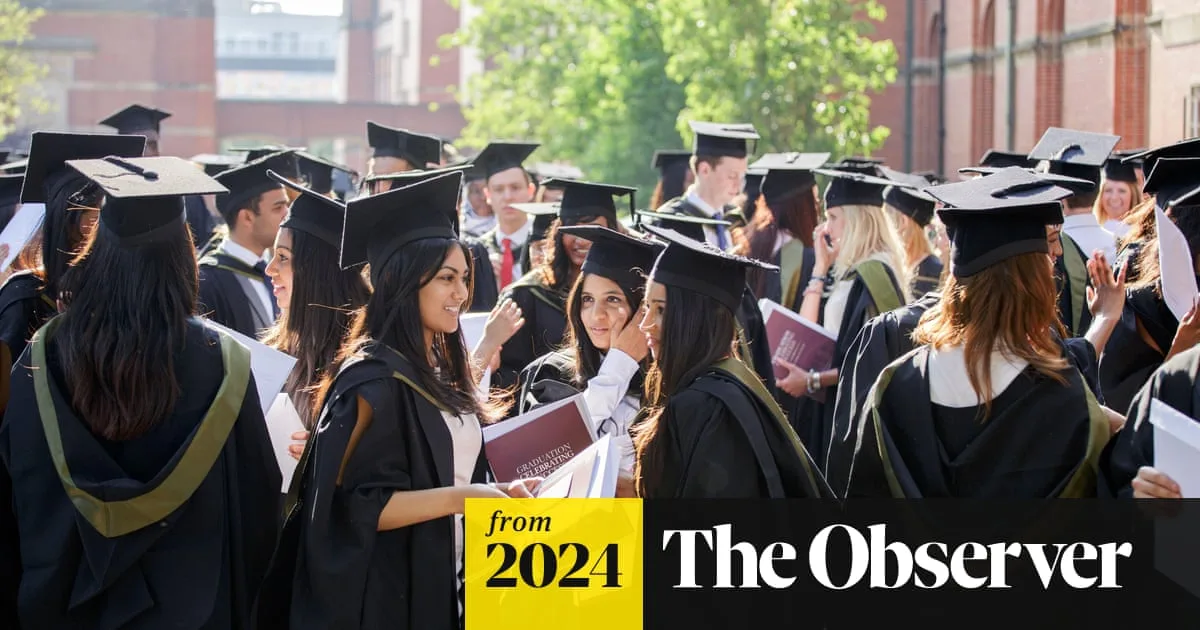
Many UK graduates are struggling with unaffordable student loan repayments, with some leaving jobs or turning down promotions in sectors like teaching and healthcare. Loans totalling up to £120,000, swollen by surging interest rates, are discouraging career progression, according to respondents in an online callout and interviews shared with the Observer.
Repayments are also making it harder or impossible to buy a home, and affecting mental health and family plans. Some graduates have avoided higher-paid jobs to reduce loan repayments, opting for part-time minimum wage roles despite having degrees in sought-after subjects. Olivia, a 30-year-old project manager, took a lower-paid role to decrease her monthly repayments of £350, saying she is 'actually better off financially' with a lower tax rate and lower repayments.
Lucy, a maths graduate from Shenfield, Essex, has worked in part-time minimum wage jobs since age 25, earning £19,000 last year as a taxi controller. She said her student debt makes her not want to earn more, as her equivalent tax rate would be 38%, and she sees not repaying her loan as 'an act of defiance'.
NHS dietitian Carrie, from Cheshire, has been making repayments of about £300 a month since 2019 but discovered she is barely covering the interest. She decided to pay off her loans with a remortgage, meaning she will not be mortgage-free until age 73. Carrie also took a second job for 7.5 hours a week, as different jobs are assessed separately for student loan repayments.
Some graduates feel trapped by stagnating wages and the cost of living crisis. Daniel, 27, a software engineer from Norwich, earns £3,400 a month but owes about £70,000, which has increased since he graduated in 2019. He views his £220 monthly repayments as a 'frustrating tax' and hopes the new Labour government will consider relief for those repaying student loans.