

The Australian Greens have launched a bold political offensive, proposing a significant new tax on gas exports as the nation grapples with persistent cost of living pressures. The controversial plan emerges as households across Australia face mounting financial strain from rising energy bills and everyday expenses.
The Gas Export Tax Proposal
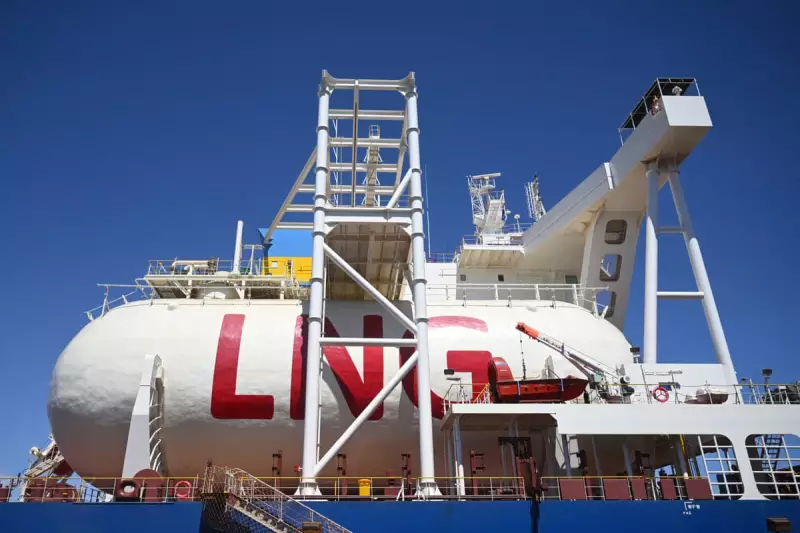
The Greens are pushing for a substantial levy on liquefied natural gas (LNG) exports, arguing that major gas corporations are making enormous profits while ordinary Australians struggle with basic living costs. The party claims this tax could generate billions in revenue that could be directed toward household relief measures.
This proposal comes at a critical juncture for the Australian economy, with many families reporting difficulty managing their monthly budgets. The rising cost of essentials including groceries, utilities, and housing has placed significant pressure on household finances nationwide.

Political Battle Lines Form
The tax plan has immediately drawn sharp criticism from industry groups and the opposition coalition, who argue it would damage Australia's reputation as a reliable trading partner and potentially jeopardise investment in the energy sector. However, the Greens maintain that the policy represents a fair approach to wealth distribution.
Political analysts suggest this move positions the Greens to capitalise on growing public frustration about economic inequality and corporate profits. The party appears to be making a calculated appeal to voters who feel left behind by current economic policies.
Meanwhile, the Labor government faces increasing pressure to address cost of living concerns while maintaining economic stability. The Reserve Bank of Australia continues to monitor inflation closely, with many households feeling the pinch of successive interest rate decisions.
Broader Economic Implications
Beyond the immediate political debate, the proposed tax raises fundamental questions about Australia's economic future and energy policy direction. The Newcastle area has become a focal point for climate activism, with environmental group Rising Tide staging protests against coal exports.
House prices and interest rates remain central concerns for Australian families, creating a complex economic landscape that policymakers must navigate. The gas tax proposal adds another layer to this already complicated picture.
As the debate intensifies, all eyes will be on how the major political parties respond to both the Greens' proposal and the underlying cost of living crisis affecting millions of Australians. The outcome could significantly influence the direction of Australian economic policy in the coming years.






