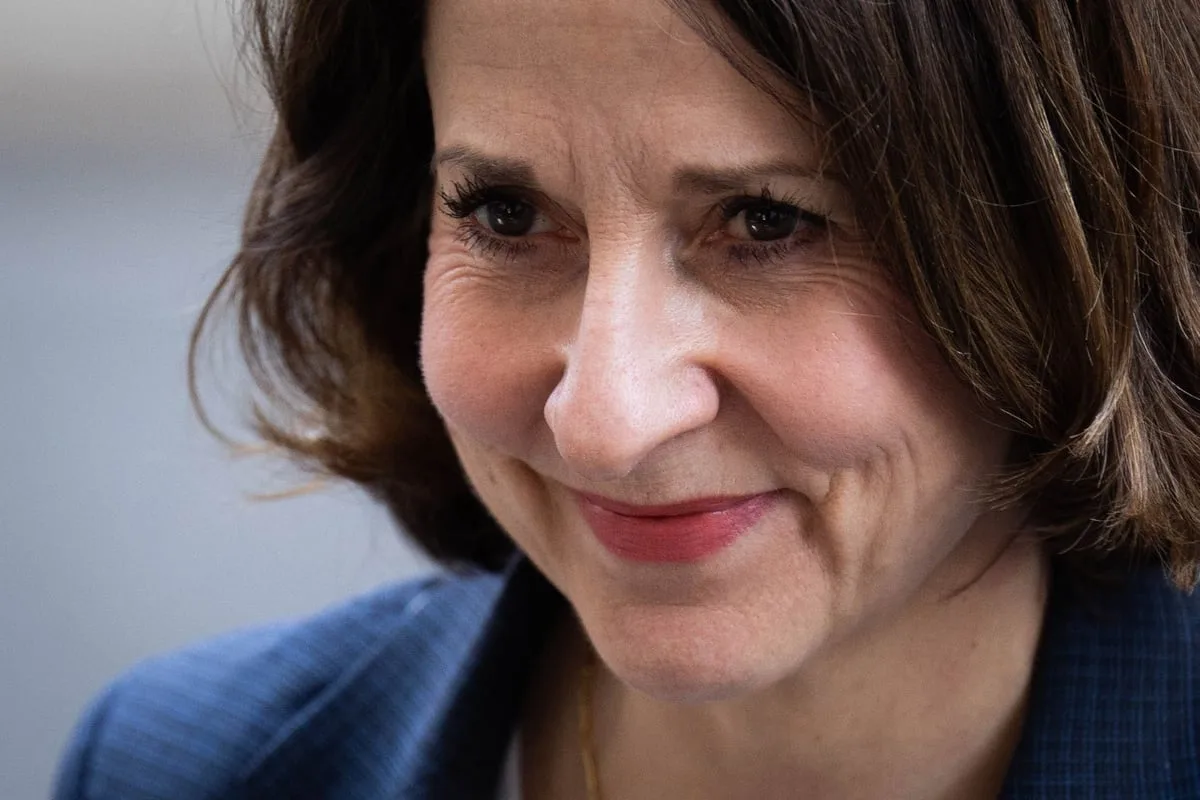
Sir Keir Starmer and Work and Pensions Secretary Liz Kendall faced a furious backlash from Labour MPs, unions and charities after announcing plans to cut £5 billion from the welfare bill. The Prime Minister said it would be “morally bankrupt” not to reform the “fundamentally broken” system, but critics condemned the cuts as “cruel” and “immoral”, accusing the Government of balancing the public finances on the backs of the poorest.
The package of reforms, unveiled on Tuesday, is expected to save more than £5 billion a year by 2029/30. Measures include reintroducing reassessments for incapacity benefits, tightening eligibility for Personal Independence Payment (Pip), and consulting on delaying access to the health element of Universal Credit until age 22. The Government also announced £1 billion in extra employment support to help disabled and long-term sick people into work.
Labour MPs voiced strong opposition in the Commons. Debbie Abrahams, chair of the Work and Pensions Committee, called it the largest reduction in social security since 2015, urging “more compassionate ways to balance the books”. Former shadow chancellor John McDonnell warned of potential deaths, saying changes to Pip rules would cause “immense suffering and loss of life”. Clive Lewis questioned whether the Government understood the “pain and difficulty” for millions.
Trade unions reacted with fury. PCS general secretary Fran Heathcote described targeting the most vulnerable as “an immoral choice” amid rising poverty and NHS waiting lists. National Education Union chief Daniel Kebede said it was “hard to conceive of a Labour government treating the most vulnerable any worse”. The Disability Benefits Consortium, representing over 100 charities, condemned the “cruel cuts”, with policy co-chair Charles Gillies warning they would push more disabled people into poverty.
Save the Children’s Dan Paskins said child poverty would likely rise in families with a disabled member. Sir Keir defended the reforms, arguing the system “does not work for the people it is supposed to support, businesses who need workers or taxpayers who foot the bill”. He insisted the Government would protect the most severely disabled, but said it would be “morally bankrupt” to allow millions, especially young people, to remain trapped out of work.