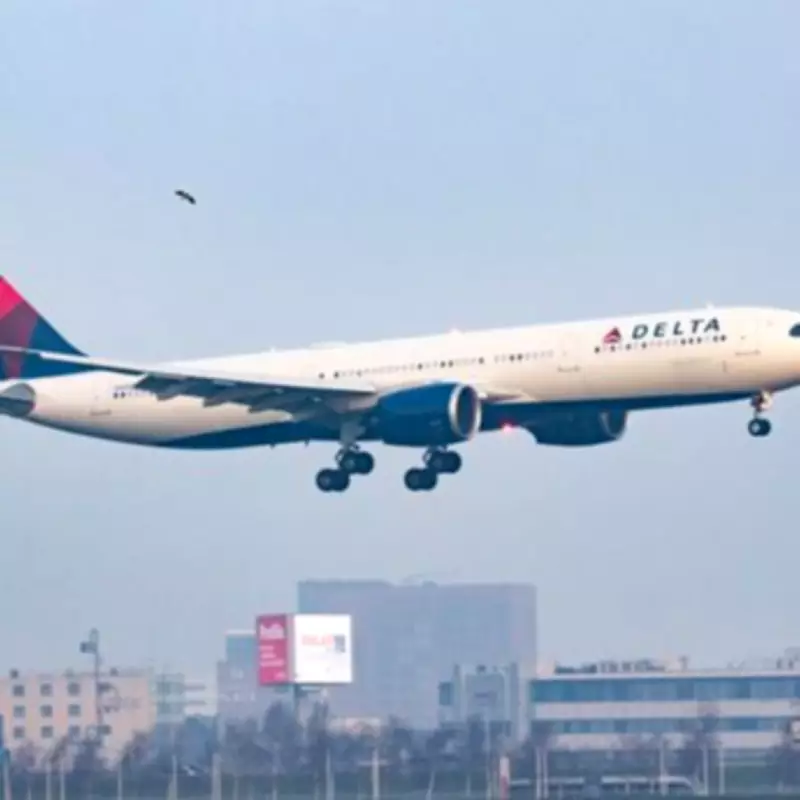
Delta Air Lines, one of the largest US carriers operating over 5,000 daily flights, experienced significant operational disruptions over the weekend, resulting in hundreds of cancellations and more than a thousand delays. Between Friday and Saturday, the airline cancelled over 400 flights and delayed more than 1,000 others, representing approximately 4% of its schedule on Friday and 7% on Saturday, according to data from FlightAware.
Causes of the Disruptions
The airline attributed the chaos to staffing shortages, unpredictable weather, and the looming jet fuel shortage. Despite largely clear weather conditions across its network, disruptions occurred at major hubs, including Hartsfield-Jackson Atlanta International and Los Angeles International airports. As a result, Delta’s reliability ranking fell to sixth place nationwide, based on figures from the US Department of Transportation.
Pilot Staffing Issues
Pilot staffing shortages at Hartsfield-Jackson Atlanta International Airport, Delta’s largest hub, have pushed cancellations to more than ten times the usual level. This accounts for around 35% of all cancelled flights, almost four times higher than in 2024.

Spirit Airlines Ceases Operations
The disruptions come after American budget carrier Spirit Airlines took its final flight after 34 years of operation. Once valued at approximately $5.5 billion on the stock market, the airline shut down on Saturday after its final flight departed from Detroit and landed safely in Dallas.
“For more than 30 years, Spirit Airlines has played a pioneering role in making travel more accessible and bringing people together while driving affordability across the industry,” CEO Dave Davis said in a statement.
Financial Struggles
Spirit Airlines had filed for bankruptcy twice in as many years, allowing it to repay lenders. In recent months, it made a final scramble to save money by cutting routes, squeezing concessions from unions, and pursuing a potential financing deal with the Trump administration that could have provided a lifeline. However, higher jet fuel prices triggered by the Iran war drained cash from the business at an accelerating pace, forcing it to cease operations. “This is tremendously disappointing and not the outcome any of us wanted,” Davis said.