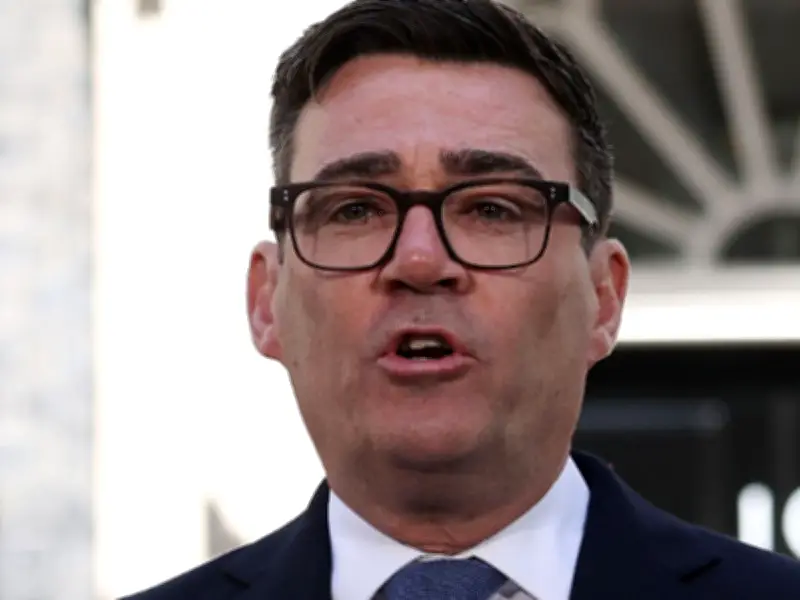
The new Labour government led by Prime Minister Andy Burnham received an early economic boost as official figures showed a sharp drop in government borrowing for June. The Office for National Statistics (ONS) reported that borrowing—the gap between tax revenue and public spending—stood at £16 billion last month, a decrease of £7.9 billion compared to June 2025. This figure was also £300 million below the forecast by the Office for Budget Responsibility (OBR).
Debt Interest Payments Fall Sharply
The welcome decline was largely driven by lower inflation-linked debt interest costs, according to the ONS. Central government debt interest payments fell to £11.8 billion in June 2026, down £5.3 billion from a year earlier. However, this remains the fourth highest June figure on record, highlighting the ongoing pressure on public finances.
Chancellor John Healey, whose appointment surprised many, emphasized fiscal discipline. He said: "Fiscal control is the first duty of any Chancellor. It is mine. And fiscal credibility is the bedrock for economic stability and for national security." Healey, a former defence secretary, added that he and Burnham share values and a vision to build a new economy.
Chancellor Pledges Fiscal Responsibility
Healey stated: "The Prime Minister and I have talked about how we will work in lockstep to meet the fiscal rules with a buffer against uncertainty and how we’ll make life more affordable for working people right across the UK." He reiterated the government's commitment to defence spending, aligning with Burnham's earlier remarks on meeting international obligations.
Economists Warn of Remaining Challenges
Despite the positive figures, experts caution that the new government faces significant hurdles. Nabil Taleb, economist at PwC UK, said: "This month’s figures offer some tentative encouragement. The key question is whether their economic plans ease pressure on the public purse or add to it." He warned that with borrowing costs still sensitive and limited fiscal headroom, even modest commitments could have major consequences.
Taleb added: "If plans run ahead of what the public finances can support, pressure could build quickly through higher financing costs and sharper fiscal trade-offs. The coming months should show whether the new agenda creates breathing space or adds to the strain."
Impact on Future Policy
The improved borrowing figures provide some initial relief for Burnham and Healey as they formulate their first budget. However, with debt interest payments still historically high and economic uncertainty persisting, the government must balance ambitious spending plans with fiscal credibility. The ONS data underscores the delicate state of the UK's public finances as the new administration seeks to deliver on its promises.