Uber Eats has announced significant updates to its alcohol delivery policies following the tragic death of a father who relied heavily on the service to obtain drinks. The company now mandates that drivers will not deliver alcohol to customers who appear intoxicated, implementing stricter sobriety checks and identification verification processes.
The Tragic Case of Glenn Perkins
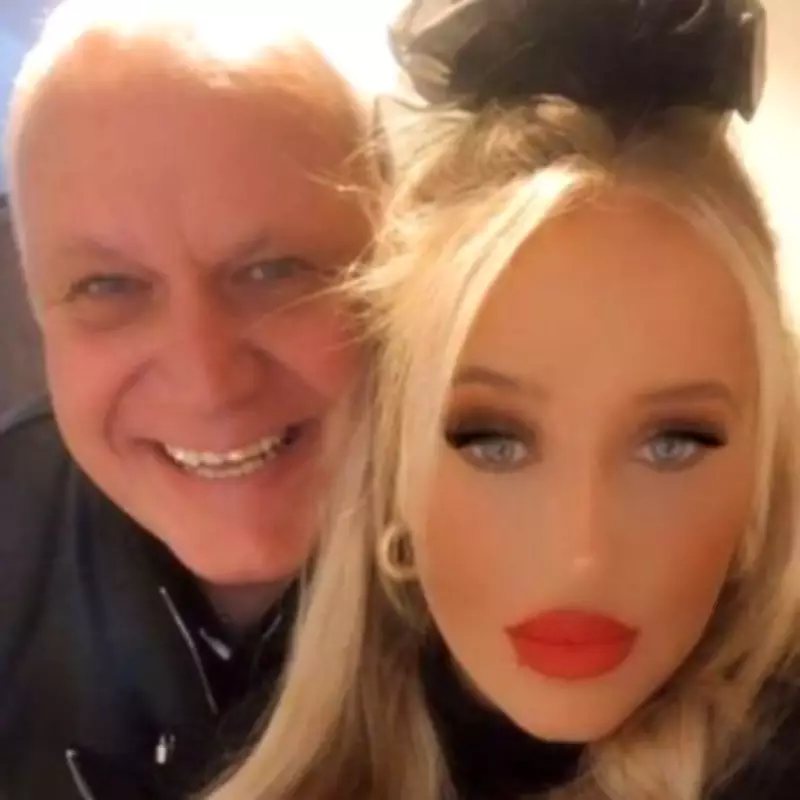
Former firefighter Glenn Perkins, 55, from Gillingham, died in January from alcoholic liver disease, with his family attributing his rapid decline to the easy access provided by delivery apps. His daughter, Connie Perkins, 30, revealed that her father would spend up to £60 daily on Uber Eats, ordering cider and other alcoholic beverages directly to his home.
"If it wasn't for Uber Eats, I strongly believe my dad would still be here," Connie stated. "He was living alone and hardly ever left the house because everything was delivered to his door. In his final months, he neglected basic self-care, and his home was filled with empty bottles and delivery bags."

A Family's Desperate Pleas Ignored
Connie and her twin sister, Daisy, discovered their father's residence cluttered with rubbish and alcohol containers after his passing. Order history screenshots showed Mr. Perkins purchasing 16 items over five days totaling £80 and 15 items over three days costing £67.
In 2022, Connie emailed Uber Eats requesting her father's account be blacklisted due to health concerns. The company responded that privacy policies required direct communication with the account holder, leaving the family frustrated.
"Delivery drivers would have known he was drunk," Connie explained. "He often answered the door in hospital pyjamas, yet they continued providing alcohol. There needs to be proper safeguarding measures."
Underlying Trauma and Addiction
Mr. Perkins, who previously lived in Whitstable, suffered from PTSD and bipolar disorder following traumatic experiences as a firefighter, including attending a crash involving a young girl. Connie described him as a functioning alcoholic who needed alcohol to cope.
"We didn't speak for months sometimes, but he was our dad and couldn't help it," she shared. "It was horrible to watch him struggle. He even switched to a basic Nokia phone to avoid delivery apps but eventually returned to using them."
Uber Eats' New Safety Protocols
An Uber Eats spokesperson expressed condolences and outlined enhanced safety measures: "We have made significant updates, including platform access restrictions and a partnership with Drinkaware. Every alcohol delivery now requires couriers to verify the recipient's ID and conduct sobriety checks before completion."
The company has introduced self-exclusion tools within the app and processes for families or merchants to request account blocks for alcohol sales. If drivers suspect invalid ID or intoxication, they are instructed to return the alcohol to the store, with compensation for return trips.
Broader Implications and Advocacy
Connie is supporting a petition by Alexandria Hughes, whose sister also died from alcoholism, urging the government to implement tougher protections for vulnerable people. The case highlights ongoing debates about corporate responsibility in addiction prevention.
Uber Eats' policy changes aim to balance convenience with safety, though critics argue more proactive measures are needed. The Perkins family hopes these updates will prevent similar tragedies, emphasizing that while technology offers convenience, it must not enable harmful behaviors.