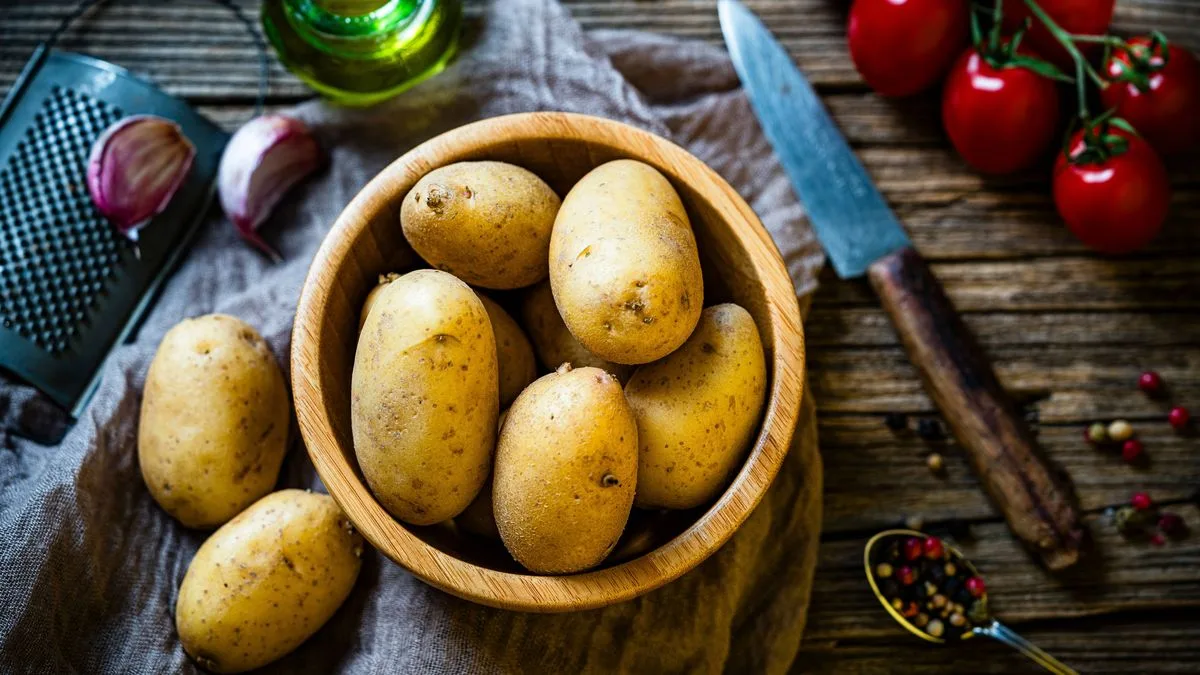
Chef's Warning: Storing Potatoes Near Onions Causes Rapid Spoilage
Potato Storage Warning: Keep Away From Onions

UK Households Urged to Separate Potatoes From Other Vegetables to Curb Massive Food Waste

Potatoes remain one of Britain's most versatile and beloved staple foods, yet they also rank among the nation's most wasted food items. Shockingly, approximately 1,300 tonnes of potatoes are discarded daily across UK households, representing significant financial loss and unnecessary food waste. Culinary expert Chef Divya Butani, widely known online as The Veggie Wifey, has issued crucial guidance explaining why improper storage practices, particularly keeping potatoes alongside other vegetables like onions, leads to rapid deterioration.

The Science Behind Potato and Onion Incompatibility

Many consumers naturally store all their fresh produce together in kitchen baskets or refrigerators, but potatoes have specific storage requirements that differ markedly from other vegetables. Chef Butani emphasizes that onions release substantial moisture as they age, creating a humid microenvironment when stored adjacent to potatoes. Since potatoes themselves contain high water content and naturally leak small amounts during storage, this combination creates excessively damp conditions that accelerate rotting and mould formation within mere days.

Furthermore, onions emit ethylene gas—a natural plant hormone that promotes ripening in certain fruits and vegetables. While ethylene helps some produce develop flavour and tenderness, it has the opposite effect on potatoes, speeding up their ageing process and increasing the likelihood of them becoming mushy or developing mould. This chemical interaction makes onions particularly detrimental companions for potatoes, though most vegetables release either ethylene or moisture to some degree, making separate storage the safest approach.

Optimal Potato Storage Techniques for Extended Freshness

To maximize potato longevity and reduce household waste, follow these evidence-based storage recommendations:

  1. Choose Dark, Cool Locations: Store potatoes in dark kitchen areas like cupboards or pantries, avoiding worktop exposure to light which triggers sprouting and solanine production—a natural toxin that turns potatoes green and bitter.
  2. Utilize Breathable Containers: Place potatoes in well-ventilated containers such as baskets or paper bags that allow moisture evaporation. Avoid plastic bags or sealed containers that trap humidity.
  3. Maintain Proper Temperature: Keep potatoes in cool but not cold environments. Refrigeration converts starches to sugars, creating unpleasant flavours, while excessive warmth promotes sprouting.
  4. Implement Complete Separation: Store potatoes entirely apart from other vegetables, especially onions, garlic, and fruits that emit ethylene gas. Consider dedicated storage areas or containers.

When stored correctly under ideal conditions, many potato varieties can maintain freshness for up to six months, dramatically reducing household food waste and saving consumers significant money annually. Proper storage represents a simple yet effective strategy in the broader fight against food waste, particularly for staple items like potatoes that feature prominently in British diets and shopping baskets.

The widespread adoption of these storage practices could substantially reduce the 1,300 tonnes of potatoes currently wasted daily across the United Kingdom. As households become more conscious of both economic savings and environmental impacts, such practical kitchen wisdom from culinary professionals like Chef Divya Butani provides valuable guidance for smarter food management in every home.