A plumbing professional has issued a stark seasonal warning to UK households, urging them to think twice before disposing of festive leftovers down the sink. With Christmas celebrations on the horizon, the by-products of lavish meals and drinks pose a significant risk to domestic drainage systems.
The Hidden Danger in Your Festive Sink
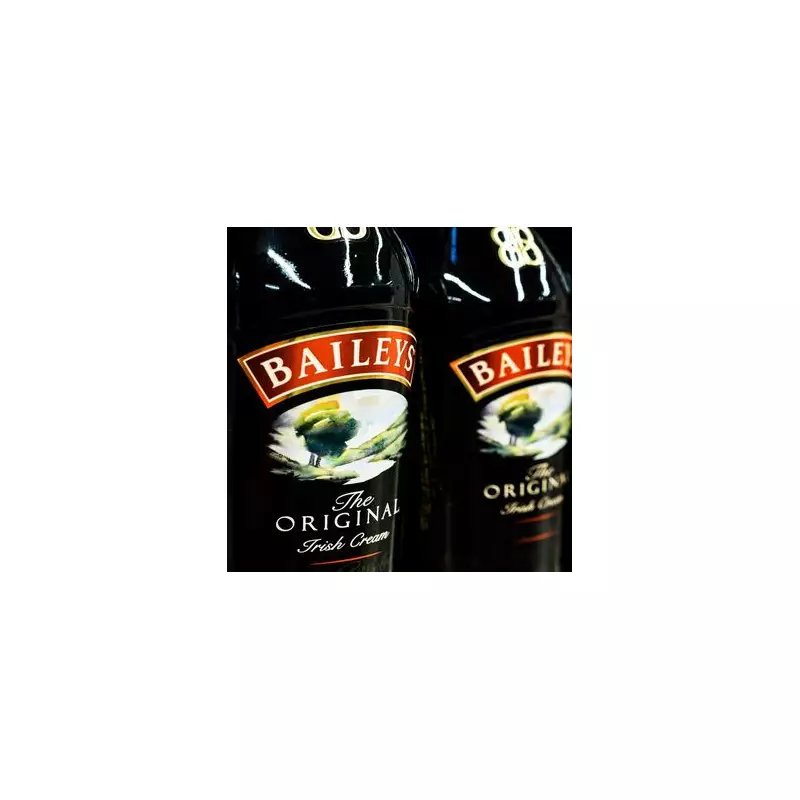
Common Christmas items like gravy, cream, cooking oil, and popular cream liqueurs such as Baileys are classified as Fats, Oils, and Greases (FOGs). Mike Flook, a plumber from MyBuilder.com, explains that pouring these substances down the plughole is a major hazard. As FOGs cool, they solidify inside pipes, lining the drainage system and leading to stubborn blockages.
These domestic issues contribute to a larger national problem: the creation of monstrous 'fatbergs' in public sewers. The warning comes as many face the temptation to dispose of half-finished bottles of Baileys, which has a short shelf life once opened, or leftover cooking fats from the Christmas roast.

Costly Consequences and DIY Disasters
Attempting to fix a blockage without professional help can lead to further damage and expense. Mike Flook recounted a recent job where a customer's DIY efforts to unblock a sink resulted in a botched reassembly, forcing him to replace an entire double bowl waste kit. In another case, a customer poured candle wax down the drain, which set solid in the trap and emerged in the shape of a reusable candle.
"Disposing of FOGs down the sink in the run up to Christmas could lead to a disaster over the holidays," Flook stated. He highlighted that emergency callouts during the festive period are harder to secure and can be up to four times more expensive than a standard appointment.
What to Do (and What to Avoid)
The expert advice is clear: prevention is better than cure. If you suspect a product is a FOG, try to avoid wastage. If disposal is necessary, wrap the excess in kitchen roll and place it in the general waste bin.
If you accidentally pour a FOG down the drain, act immediately. Run hot water for several minutes to help dissolve the grease and keep it moving through the pipes. Adding washing-up liquid can help break down fats. Crucially, Flook advises against using chemical drain unblockers, which are often ineffective against FOGs and can damage pipes. A simple plunger may be more effective.
Other common culprits for blockages include:
- Coffee grounds: These clump together in U-bends, especially when mixed with other food waste.
- Leftover gravy: A double threat containing both fats and flour.
- Meat fat: A survey suggests half the population admits to pouring fats down the drain.
With extra guests likely over the festive season, it's also wise to check toilets are functioning properly and provide a bin for non-flushable items to avoid additional household dramas.