For many households across the UK, the humble dryer is a staple appliance, often tucked away in utility rooms or cupboards. Yet, with rising energy costs and a growing focus on sustainability, consumers are increasingly seeking simple upgrades to enhance efficiency. Enter dryer balls: those small, spherical gadgets that promise faster drying times, reduced energy use, softer clothes, and less static cling. But do they live up to the hype? As a professional product reviewer with over a decade of experience in testing laundry appliances and accessories, I decided to put these claims to the test in a side-by-side comparison.
How Dryer Balls Function: The Science Behind the Spheres
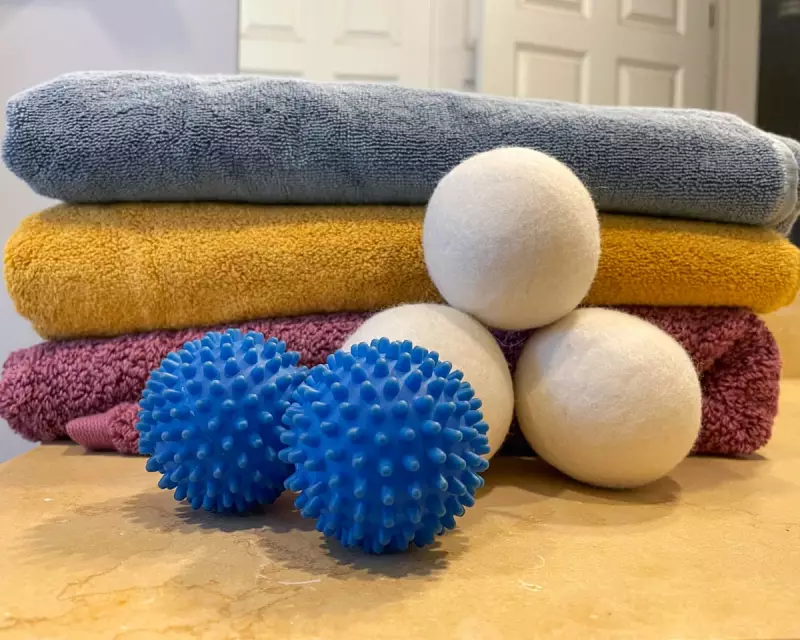
Dryer balls trace their origins back to the early days of electric dryers, when people would toss tennis balls into the drum to help fluff up comforters and prevent wet spots. The principle is straightforward: by creating more space between items in the laundry load, dryer balls aim to improve air circulation, which in theory can carry moisture away more effectively. Today, you'll find dryer balls made from various materials, including wool, plastic, and rubber. In my testing, wool versions tend to be denser and heavier, while plastic and rubber options are often lighter and hollow, which can impact their performance in softening fabrics.
Testing the Claims: Do Dryer Balls Improve Drying Efficiency?
To assess whether dryer balls actually dry clothes better, I conducted a simple experiment. I soaked two T-shirts, two towels, and a hoodie in 2lbs of water, then ran identical loads in the dryer—one with Handy Wool Dryer Balls and one without. After each cycle, I weighed the clothes to measure any difference in water extraction. The result? A negligible variation between the two loads. This finding aligns with numerous previous tests I've conducted for various publications, consistently showing that dryer balls do not significantly enhance drying performance in terms of moisture removal.

Why Dryer Balls Might Not Save You Money on Energy Bills
The UK's energy landscape makes efficiency a top priority, but dryer balls may not be the silver bullet for cutting costs. Dryers are inherently energy-intensive appliances, primarily because they repeatedly heat and expel air to evaporate moisture. While dryer balls can help distribute heat more evenly, they don't alter the fundamental physics of evaporation. Additionally, factors like overloading the dryer can limit their effectiveness, as crowded loads leave little room for the balls to create air pockets. In some cases, modern dryers with contact sensors might misinterpret dryer balls as dry items, leading to premature cycle endings and necessitating extra runs, which could increase energy use.
The Real Benefits of Dryer Balls: Softening, Static Reduction, and Scent
Despite their limited impact on drying efficiency, dryer balls offer several tangible advantages that make them a valuable addition to any laundry routine. Firstly, they can soften fabrics such as linen or high-density cotton by loosening fibers as they bounce around the drum. Secondly, they reduce static cling by minimising friction between clothing items. Thirdly, wool dryer balls can serve as a reusable alternative to dryer sheets when sprayed with essential oils, allowing for customised scents without harsh chemicals. This is particularly beneficial for those with sensitive skin or concerns about synthetic fragrances.
Recommended Dryer Balls and Practical Tips
Based on my testing, I recommend Handy Wool Dryer Balls for their size, weight, and ethical sourcing from New Zealand wool, which adheres to strict animal welfare standards. For a more budget-friendly option, S&T plastic dryer balls are also effective. To maximise benefits, use dryer balls in moderate-sized loads and consider having separate sets for scented and unscented use, especially when drying absorbent items like towels.

Alternative Strategies for Energy-Efficient Laundry Drying
If saving energy is your primary goal, there are more impactful steps than relying on dryer balls. Upgrading to modern front-load washers and dryers can significantly reduce moisture before drying and improve heating efficiency. Technologies like condenser dryers and heat-pump dryers offer ventless, energy-efficient alternatives. For those on a tight budget, utilising eco-dry cycles, favouring quick-drying fabrics like merino wool or polyester, and partially air-drying clothes on racks or lines can all contribute to lower energy consumption without additional gadgets.
In summary, while dryer balls may not revolutionise your laundry routine or slash energy bills, they provide practical benefits like softer clothes and reduced static, making them a worthwhile investment for many UK households. By understanding their limitations and combining them with other energy-saving practices, you can achieve a more efficient and pleasant laundry experience.