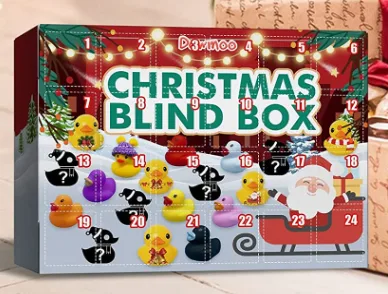
The traditional Advent calendar, a humble cardboard countdown to Christmas, has undergone a transformation so extreme it's barely recognisable. What was once a simple nativity scene or chocolate behind a numbered window has exploded into a market of bewildering luxury and niche oddities, prompting a backlash against festive overconsumption.
The Price of Premium: Luxury Calendars as Status Symbols
In recent years, the relentless creep of the high-end advent calendar has established it as an unnecessary status symbol. These are not for children. Retailers now offer calendars priced at several hundred pounds, stuffed with designer perfumes, premium beauty products, craft gins, and artisanal teas.
For instance, the Vogue advent calendar, a collection curated by editors featuring wellness, skincare, and jewellery, commands a cool £355. For those with even deeper pockets, Astrid and Miyu's jewellery calendar costs just shy of £700 for 23 pieces of upscale jewellery, none of which the buyer gets to choose.
The trend extends to traditionally masculine markets too. Liberty offers a men's grooming calendar with £260 worth of products, while whisky connoisseurs can spend £800 on an "old and rare" whisky advent calendar. This extravagance peaks with a custom-made, £7.8 million collection of designer watches, diamonds, and artwork billed as the world's most expensive.
From Bizarre to Blatant: The Rise of Niche Novelties
Beyond sheer expense, the modern advent calendar landscape is now cluttered with downright peculiar offerings. This year saw the launch of the "world’s first period advent calendar", priced at £130. It promises a daily surprise of menstrual products, from light-flow thongs to hormone-support gummies, aiming to break taboos but leaving many questioning its target market.
Other niche entries include:
- Sex toy advent calendars filled with vibrators and cock rings.
- Calendars stocked with Christmas ornaments shaped like medieval cats.
- Collections of crocheted "emotional support" vegetables holding pun-filled signs.
This shift from the sacred to the profane is stark. As journalist Helen Coffey noted on Monday 1 December 2025, the journey from holy nativity pictures to counting down to Christmas by opening a masturbatory aid each morning is a bewildering cultural leap.
Reclaiming the Spirit of Anticipation
At its heart, Advent is meant to be a period of waiting and preparation for something special. In a culture of instant gratification, the simple joy of anticipation has been buried under a daily deluge of stuff. The core critique is clear: nobody needs 24 presents before the 25th of December.
This trend amplifies the problem of rampant overconsumption during a season already plagued by excess. The call, as voiced in the original commentary, is to save the period pants for when they're actually needed and to reconsider the gift of genuine, uncluttered anticipation. The question remains: have we lost the plot on the true meaning of the festive countdown?