An Australian cleaning professional has exposed seven everyday household items that harbour far more germs than most people realise. According to the expert, these commonly neglected spots could be secretly undermining your home's freshness while spreading countless bacteria.
The Hidden Germ Havens in Your Home
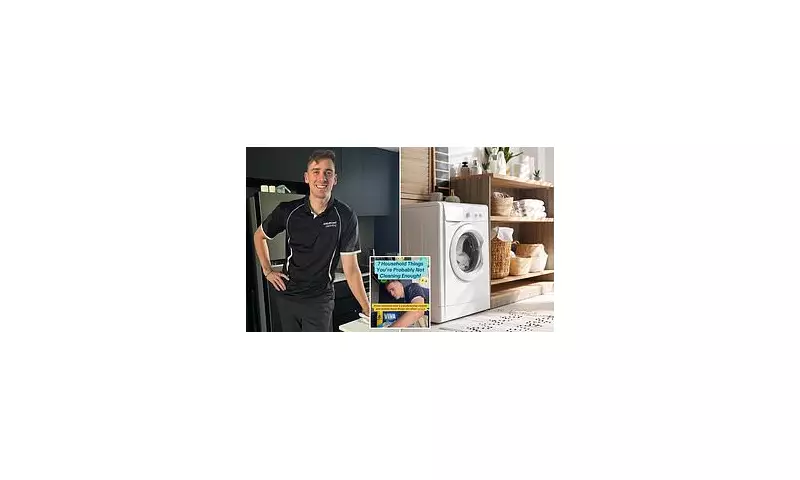
Jason Shipway, CEO of Enhanced Cleaning and one of Australia's most popular home-care creators with over 65,000 Instagram followers, explains that while most homes appear tidy, the real dirt lies in the details. 'From someone who's a professional cleaner I notice these things too often – they're filthy,' he reveals.
From reusable drink bottles to the humble TV remote, Jason insists these overlooked hotspots can significantly impact everything from unpleasant odours to overall hygiene. Rather than suggesting overwhelming cleaning regimes, he has identified seven key checkpoints to incorporate into daily or weekly chores to control germ spread and prevent dangerous bacteria multiplication.

The Seven Critical Cleaning Oversights
Reusable drink bottles top Jason's list as the most common mistake he encounters. 'Most people just rinse and refill, which basically means you're topping up yesterday's bacteria and drinking it. Wash daily!' he urges. The damp, narrow environment inside these bottles creates perfect conditions for mould and microscopic grime, particularly in lids, straws and silicone seals. His professional deep-cleaning tip involves dropping a denture tablet into the bottle with water, allowing it to fizz, then rinsing thoroughly.
Mobile phones and cases rank as our most-touched and consequently dirtiest possessions. 'You take your phone everywhere - gyms, kitchens, public transport, even the toilet; so it picks up the bacteria from every place you go,' Jason explains. He recommends daily disinfection with alcohol wipes and weekly deep cleaning of cases both inside and out to prevent germ buildup.
TV remote controls might explain why flu spreads rapidly through households, with Jason describing them as 'one of the dirtiest things in our whole house.' Touched by everyone daily while living on couches, beds, floors and coffee tables, remotes almost never receive proper cleaning. Jason suggests using a microfibre cloth with 70 per cent isopropyl alcohol or vinegar-water mixture, followed by cotton buds to reach between buttons.
Unexpected Germ Breeding Grounds
Washing machine door seals in front-loading machines conceal their own horrors. 'Every time you start a wash cycle, you're releasing bacteria that's been breeding inside the seals,' Jason warns. Trapped water, lint and detergent residue create one of the home's most unhygienic environments. His solution involves keeping the door slightly ajar when not in use and scrubbing with vinegar solution every two-to-four weeks, which not only prevents mould but improves clothing freshness.
Kitchen dish sponges and scourers require more frequent replacement than most people realise. 'The biggest issue is people put them back wet, and a damp sponge is basically a bacteria breeding ground,' Jason emphasises. He insists sponges should be completely dry between uses and recommends monthly replacement to prevent bacteria spreading throughout the house.
Shower drain covers often escape attention during bathroom cleaning routines, despite being 'where all the gross stuff actually lives.' Hair, soap scum, conditioner buildup and trapped water accumulate beneath the cover, creating unpleasant odours. Jason advises making this part of your regular bathroom maintenance, cleaning every one-to-two weeks depending on shower frequency.
Laundry machine drawers could explain why supposedly clean clothes sometimes emerge with a musty scent. 'It traps detergent sludge, mould and bacteria that get washed on your clothes,' Jason reveals. He recommends a simple monthly deep clean using an old toothbrush with dish soap to scrub away detergent sludge, followed by wiping the cavity with vinegar. This five-minute task significantly improves laundry freshness.

Transforming Home Hygiene Habits
Jason's followers expressed shock upon discovering how many of these areas they'd neglected, with many admitting they couldn't recall the last time they cleaned their remote controls or laundry machine drawers. Some contributors added their own suggestions, highlighting light switches and door handles as additional bacteria-spreading culprits.
Jason concludes that maintaining a genuinely fresh home doesn't require adding more labour to weekly chores, but rather cleaning smarter. By regularly addressing these hidden germ hotspots, households can dramatically improve hygiene, eliminate unpleasant smells and enhance their home's overall feel with just a few extra minutes each week.