
No safe alcohol level for dementia risk, study finds
New research from South Korea confirms there is no safe amount of alcohol consumption when it comes to dementia risk, challenging previous beliefs about moderate drinking.

New research from South Korea confirms there is no safe amount of alcohol consumption when it comes to dementia risk, challenging previous beliefs about moderate drinking.

Leading longevity specialist Dr Dugal Bain reveals his own dementia diagnosis and shares the powerful lifestyle changes he's adopting to fight the condition, offering hope and practical advice.

Groundbreaking research from Oxford and Exeter universities identifies key daily activities—from reading to household chores—that can significantly reduce the risk of developing dementia, offering a proactive approach to brain health.

A seismic shift is transforming UK driving tuition. New data reveals automatic cars are now the vehicle of choice for learners, signalling the end of the road for manual transmission dominance. Discover why instructors are adapting to this electric future

New UK research uncovers a startling link between poor leg strength and accelerated cognitive decline. Experts reveal how a simple physical test could be a key indicator for future brain health and dementia risk.

A seasoned UK driving instructor reveals the most common test mistakes and expert techniques to help you pass your test with confidence. Learn the secrets to parallel parking, roundabout etiquette, and conquering test anxiety.

New research suggests a simple brain scan measuring 'brain mileage' could predict Alzheimer's disease years before severe symptoms appear, offering new hope for early intervention.
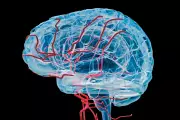
Cambridge scientists develop groundbreaking AI-powered 'brain mileage' clock that detects Alzheimer's disease up to 15 years earlier than traditional methods, potentially transforming early diagnosis and treatment.

UK drivers with untreated sleep apnoea face severe penalties, including unlimited fines and immediate licence revocation, under strict DVLA medical rules. Experts urge compliance with reporting and treatment protocols.

A British woman's life was turned upside down when she lost all memory of her holidays and struggled to form new ones. Doctors discovered a shocking and easily treatable cause that everyone should know about.

A major new study finds that feeling lonely as a child can significantly increase the risk of developing dementia decades later. Researchers warn of a looming public health crisis.

New research from King's College London shows experiencing loneliness as a child may increase dementia risk in later life by 56%, highlighting the long-term impact of early social isolation.

New scientific research from the UK establishes a strong connection between diets high in ultra-processed foods and accelerated cognitive decline, including memory loss and impaired verbal fluency.

A leading Harvard neurologist reveals the startling impact of a popular beverage on your memory, focus, and long-term brain health. Discover the science behind the risk.

Leading dementia experts identify a common, yet devastating, early trait in new patients that often goes unnoticed by families. Discover the subtle red flag.

Groundbreaking research establishes a strong link between long-term sleep deprivation and a heightened risk of developing dementia, urging a focus on sleep health as a preventive measure.

Exclusive: Millions of UK drivers over 70 face critical new licence and medical declaration rules. Failure to comply could result in a £1,000 fine and licence revocation. Here's what you need to do immediately.

A former DVSA driving examiner debunks common myths about the UK driving test, revealing the real reasons learners fail and sharing expert tips to pass first time.

Groundbreaking UK research reveals a direct connection between high consumption of ultra-processed foods and an increased risk of memory loss, stroke, and cognitive diseases, urging a major dietary rethink.

Groundbreaking UK research reveals the terrifying link between chronic sleep deprivation and accelerated brain ageing, uncovering a major new risk factor for dementia and cognitive decline.

Groundbreaking UK research spanning 15 years uncovers a startling link between two common food favourites and a significantly heightened risk of developing dementia, urging a rethink of dietary habits.

A groundbreaking study from the University of Cambridge reveals that a widely prescribed blood pressure medication could dramatically reduce dementia risk and slow cognitive decline in Alzheimer's patients, offering new hope for millions.

Groundbreaking UK research reveals a troubling link between popular sleep aids and long-term cognitive decline, urging a rethink on insomnia treatment.

A leading dementia expert has identified a crucial early warning sign that can manifest during everyday driving. This subtle change in behaviour could be a key indicator of cognitive decline, prompting earlier diagnosis and intervention.
Groundbreaking UK research reveals that suffering from mental health conditions in midlife can dramatically increase the risk of developing dementia later in life. Experts warn of a looming public health crisis.

Groundbreaking research from Johns Hopkins reveals a new MRI technique that detects iron-linked brain changes, potentially predicting dementia up to a decade in advance and paving the way for early interventions.

A leading neurologist issues a stark warning about a widespread sleep habit, linking it to serious long-term health risks including dementia and cognitive decline. Discover the science behind the danger and how to protect your brain health tonight.

Groundbreaking research from the University of Southern California suggests a potential link between the artificial sweetener sucralose and the formation of toxic compounds in the brain, raising serious concerns about long-term cognitive health.

Groundbreaking UK research establishes a direct link between emulsifiers in popular soft drinks and increased risks of dementia, stroke, and cognitive decline. Experts issue urgent health warning.

Groundbreaking research reveals a direct link between chronic sleep deprivation and the build-up of dementia-causing toxins in the brain. Experts explain how your brain's self-cleaning system works while you sleep and why ignoring sleep could be a critica