
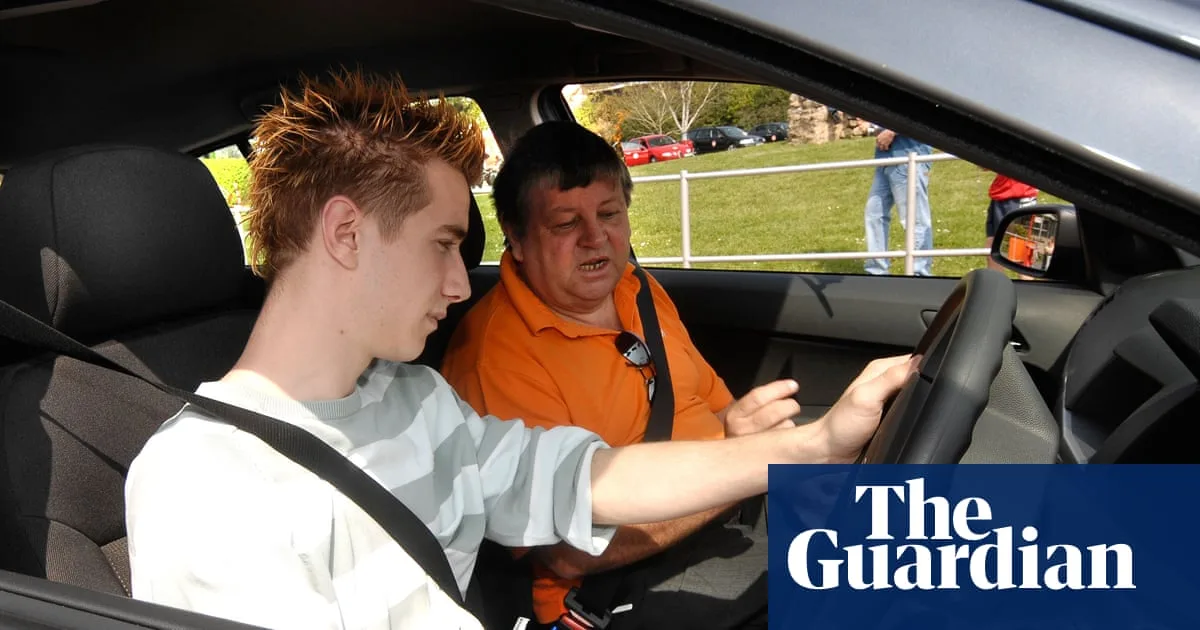
More than half of AA and BSM driving instructors are expected to teach only in automatic cars within the next decade, according to internal data, as the industry shifts away from manual transmissions. In January 2022, 86% of instructors with the two driving schools taught in manual vehicles, but by early 2025 that figure had fallen to 75.3%. If the trend continues, manual driving instruction could become a “niche business”, industry insiders say.
Mark Born, head of the AA and BSM driving instructor academy, said instructors were adapting more quickly than learners. “Among new instructors entering the profession, 36% now choose to teach exclusively in automatic cars,” he said. “In the next five years, that trajectory will start to accelerate dramatically and in 10 years – if not far sooner – I’d guess that manual driving instructors will start to be in the clear minority.” He added that manual lessons would become more expensive as demand from learners receiving hand-me-down manual cars outstrips supply of instructors.
The shift is driven partly by the take-up of electric vehicles, which are predominantly automatic. Adam Bragg, co-founder of driving instructor training company Drive, said instructors were “crossing over to automatics as quickly as they can”, but learner demand was slower to adapt. He noted that many families keep manual cars longer to hand down to new drivers, delaying the tipping point until hand-me-down cars become electric.
The AA Driving School forecasts that by 2025–26, more than one in four driving test passes will be in automatic vehicles. Born anticipates changes to the licensing system, including a fast-track conversion route for those who pass in an automatic but later wish to drive a manual. Currently, such drivers must retake the full practical test.
Learners in automatic cars typically require fewer lessons – about 25 to 35 hours, compared with 45 hours for manual – as they can focus on hazard awareness without gear and clutch control. However, automatic pass rates are lower: around 43% in 2022–23, versus 48% for manual. Jason Tilley of the Tilley school of motoring in Nottingham warned that the change could worsen test centre backlogs, with nearly three-quarters of centres already reporting waiting times close to the legal maximum of 24 weeks as of March 2025.




