UK tourists have been warned that disruption caused by the European Union's Entry/Exit System (EES) could last up to two years, according to an EU official. The system, which requires biometric data from third-country nationals including Britons, has led to long queues at European borders since its rollout in April 2026.
EES implementation challenges
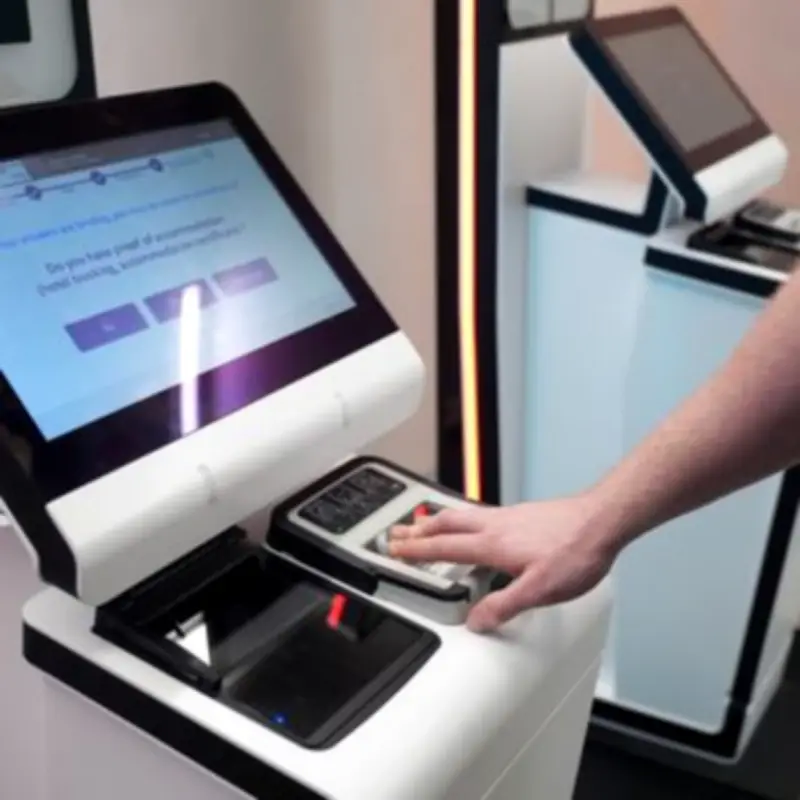
The EES requires travellers to provide fingerprints and a photograph to create a digital record valid for three years, replacing traditional passport stamping. While designed to enhance border security, the system has frequently resulted in extended waiting times at passport control, with faulty kiosks often blamed for the delays.
Uku Sarekanno, deputy executive director of Frontex, the EU's border security agency, told The Times that he expects the situation to "stabilise in one to two years." He acknowledged that many member states are still adjusting to the new requirements, with some countries struggling more than others. "Many states are still adjusting to the new reality," Sarekanno said, noting that countries with dedicated resources, such as more border officials and kiosks, have managed the rollout better. "It takes some fine tuning," he added.
Temporary relief measures
The European Union allows member states to temporarily suspend the EES if congestion becomes too severe. This contingency measure is currently in place until September 2026, but there have been calls to extend it. Sarekanno described the pause as a "temporary relief" but expressed confidence that most processes would be "aligned" by September. He also confirmed that no additional rules are planned.
However, experts warn that inconsistencies between countries are a major source of chaos. Luke Petherbridge, director of public affairs at the Association of British Travel Agents (Abta), said: "New systems inevitably take time to bed in, but it is important that the time frame for EES stabilisation is much shorter than one to two years."
Petherbridge added: "Abta is working with industry partners to call on the European Commission to extend contingency measures while issues remain, including beyond the current summer season. It is ultimately a political decision for the Commission and member states to determine these matters. While we support the objective of EES in enhancing border security, we would urge policymakers to prioritise protecting the EU's reputation as a tourism destination of choice."