Is It Safe to Travel to Dubai and Abu Dhabi? Latest UAE Travel Advice Amid Middle East Strikes
UAE Travel Safety: Latest Advice as Middle East Strikes Continue

Is It Safe to Travel to Dubai and Abu Dhabi? Latest UAE Travel Guidance as Strikes Persist in the Middle East

The Foreign, Commonwealth and Development Office (FCDO) has issued a stark warning advising against all but essential travel to the United Arab Emirates (UAE), including popular destinations like Dubai and Abu Dhabi. This caution comes as regional tensions escalate, posing significant security risks and causing widespread travel disruption across the Middle East.

Current Security Situation and Travel Disruptions

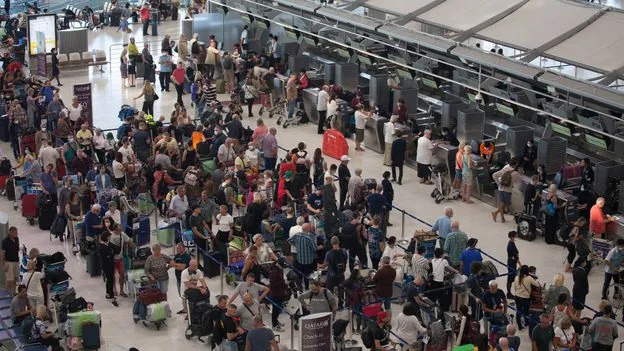
Since the outbreak of conflict, Iranian drone and missile strikes have intensified, with over 2,000 attacks recorded in the UAE alone. Tragically, these incidents have resulted in 11 fatalities, including two army soldiers, according to local authorities. A notable event occurred on 16 March, when an Iranian drone strike forced the temporary closure of Dubai International Airport (DXB), grounding flights and severely impacting travel plans for thousands.

The Iranian regime has publicly declared its intention to target locations associated with the United States and Israel. This includes businesses, facilities, and institutions linked to these countries, heightening risks for civilians in the area.

Wide Pickt banner — collaborative shopping lists app for Telegram, phone mockup with grocery list

FCDO Advice for British Nationals in the UAE

For those already in the UAE, the FCDO provides critical guidance to ensure safety:

  • Register for Updates: British nationals are encouraged to register their presence with local authorities to receive timely information and alerts.
  • Avoid High-Risk Areas: Stay away from security or military facilities, as well as locations linked to the US or Israel, to minimise exposure to potential attacks.
  • Follow Local Instructions: Adhere to advice from UAE authorities, such as taking shelter indoors or moving to secure buildings immediately if advised. The greatest danger comes from falling debris during interceptions, so interior spaces with few external walls offer the best protection.
  • Limit Movements: Restrict travel to essential journeys, preferably during daylight hours, and avoid crowded venues. Keep mobile phones charged and inform friends or family of your whereabouts.
  • Monitor Media: Stay informed by following local and international news sources for the latest developments.

Additionally, the FCDO warns that posting critical material online about the UAE government, companies, or incidents can lead to legal consequences, as evidenced by the arrest of a British man in Dubai for allegedly filming missiles.

Flight Status and Travel Options

Commercial flights from the UAE to the UK are gradually resuming, offering more options for departure. Dubai International Airport has confirmed a partial restart of services, but travellers must verify flight details directly with their airlines before heading to the airport. Zayed International Airport has implemented restrictions, allowing access only to confirmed travellers with explicit airline instructions.

Emirates, the UAE flag carrier, is operating a reduced schedule and will rebook passengers affected by disruptions between 28 February and 30 April. Under air passengers' rights regulations, travellers are entitled to be flown to their destination as soon as possible on any available airline.

Departure and Cancellation Considerations

If your presence in the UAE is non-essential, the FCDO suggests considering departure, provided it can be done safely. Always check for updates from airlines, tour operators, and local authorities before travelling. Note that travel within or out of the UAE is undertaken at your own risk.

For those planning to cancel holidays, the FCDO's advice against all but essential travel may allow for penalty-free cancellations and full refunds under the Package Travel and Linked Travel Arrangements Regulations 2018, if there is a significant change at the destination. However, travelling against FCDO guidance could invalidate travel insurance policies.

British embassies in Abu Dhabi and Dubai continue to operate normally, offering support to nationals in need. For emergency travel documents via Saudi Arabia, contact the embassies in Riyadh or Jeddah for assistance.

Pickt after-article banner — collaborative shopping lists app with family illustration