Sicilian Town's Homes Perilously Dangle After Storm-Triggered Landslide
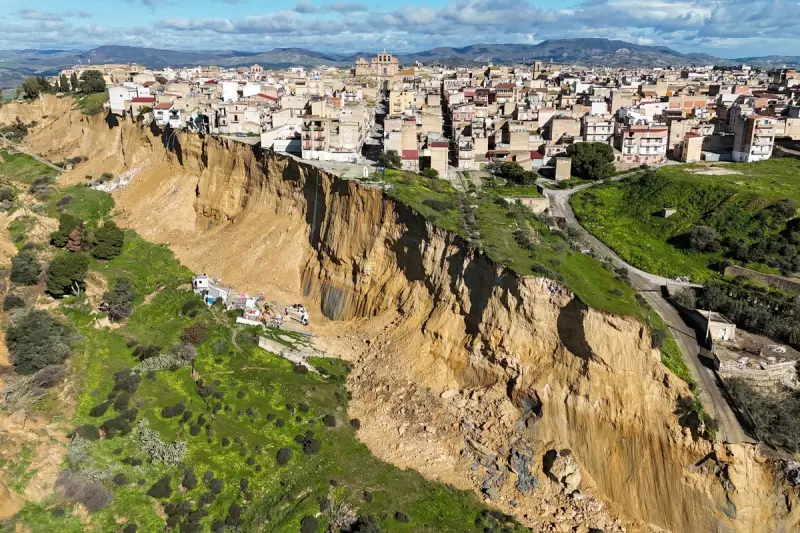
Homes in the Sicilian town of Niscemi have been left teetering on the edge of a cliff following a significant landslide triggered by severe storms, according to Italy's civil protection chief. The dramatic situation has forced the evacuation of more than 1,500 people from the affected areas.
Immediate Evacuations and Uninhabitable Properties
Civil protection head Fabio Ciciliano stated clearly to reporters in Niscemi that numerous homes are now uninhabitable due to their precarious positioning. "Let's be clear: there are homes on the edge of the landslide that are uninhabitable," Ciciliano emphasised, confirming that residents from these zones would be permanently relocated.
The landslide remains active, with authorities waiting for water to drain and movement to slow before conducting a comprehensive assessment. Buildings are visibly overhanging the newly formed edge, and one car was photographed with its front end protruding into the chasm.

Geological Vulnerability of the Niscemi Plateau
Niscemi, a town of approximately 25,000 inhabitants in south-central Sicily, sits on a plateau that authorities describe as gradually collapsing toward the plain below. This geological instability has been exacerbated by the extreme weather conditions brought by Cyclone Harry.
The violent storm battered Sicily, Sardinia, and Calabria for two consecutive days, delivering relentless rain, powerful winds, and waves reaching up to nine metres in height. These conditions pushed seawater inland, overwhelming coastal defences and triggering the landslide.
Government Emergency Declaration and Financial Response
On Monday, Prime Minister Giorgia Meloni's government declared a state of emergency for the three southern regions most affected by the storm. The administration has allocated an initial €100 million (approximately $119 million) to address the most urgent needs in the hardest-hit areas.
However, damage estimates are escalating rapidly. Sicily's regional government reported around €740 million in damages last week, but Governor Renato Schifani warned this figure could potentially double. Local authorities now estimate total damage across the regions at over €1 billion, following the destruction of homes and businesses by winds and coastal inundation.
Resident Anxiety and Historical Neglect Concerns
The sudden evacuations have generated significant anxiety and anger among Niscemi residents. Some have voiced frustrations about previous landslides that they believe were inadequately addressed by authorities.
"I have been told that I have to leave, even though I don't have anything (collapse) in the house or underneath," said resident Francesco Zarba, highlighting the personal disruption caused by the emergency measures.
Another resident pointed to longer-term neglect, stating, "We had the first landslide 30 years ago, and no one ever did anything." These comments underscore concerns about historical preparedness and infrastructure maintenance in geologically vulnerable areas.
Broader Context of Increasing Extreme Weather
This event occurs within a pattern of increasingly frequent extreme weather events across Italy in recent years. Floods have devastated numerous cities, resulting in dozens of fatalities and amplifying landslide and flood risks even in areas historically considered less exposed.
The situation in Niscemi serves as a stark reminder of the compounding challenges posed by climate-related weather events interacting with vulnerable geological formations and human settlements.