Residents across northern Scotland are confronting what has been described as the most intense and sustained period of snowfall in over half a century, leading to a declared major incident and testing the nation's winter resilience to its limits.
A Relentless Onslaught of Snow
The crisis began in earnest late last week, with a seemingly endless fall of snow that transformed from picturesque flurries into an implacable, relentless blanket. By Monday, the situation had become epic, with depths reaching six inches in parts of villages. A brief thaw offered false hope, only for more heavy snowfall on Wednesday to plunge communities back into a deep freeze, compounding efforts to clear roads and pathways.
The severity prompted Aberdeenshire Council to declare a 'major incident' on Tuesday. Council co-leader Ian Yuill told BBC Scotland it was the most severe sustained snowfall he could recall in more than 50 years. The council deployed 15 snowploughs on roads and 14 on pavements, and hired an additional 24 diggers in a desperate battle against the hourly falls that constantly undid their progress.

Community Spirit Meets Systemic Strain
In a heartening echo of past community action, farmers across Grampian—many of whom had paid respects to Queen Elizabeth II in 2022—unbidden fired up their tractors to clear as many local roads as possible. This grassroots effort highlighted a stark contrast to the perceived absence of high-level coordination.
Public frustration grew with the Scottish Government's involvement, particularly when it was revealed that the latest Resilience Room meeting was chaired by Justice Secretary Angela Constance, leading to questions about the First Minister's whereabouts during the escalating crisis. The incident has sparked a wider debate about modern preparedness, with critics noting a tendency for white-collar public sector leadership to take extended festive breaks regardless of emerging emergencies.
The disruption has been severe and widespread. Schools remain shut, buses and trains are barely moving in much of the North, and LNER cannot guarantee services on the East Coast Main Line until at least Friday. On the Isle of Lewis, communities are recovering from four days without ferry services and several days without fresh bread, a situation worsened by the protracted New Year shutdown of local bakeries.
A Lost Culture of Winter Resilience?
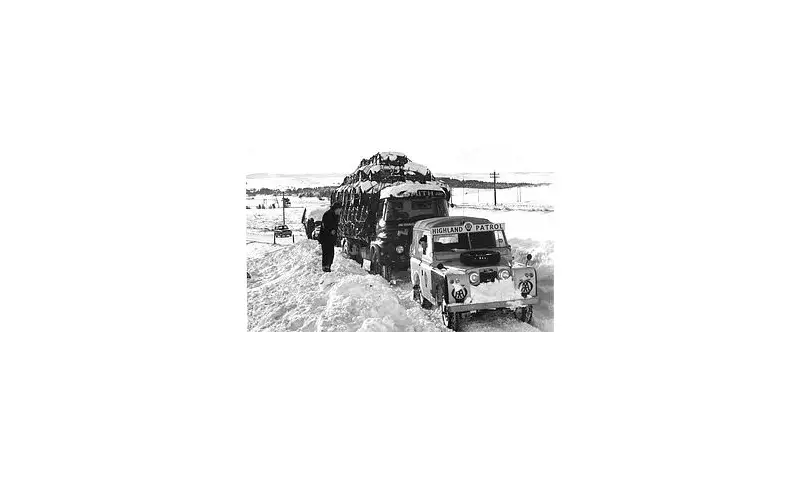
The current emergency has led many to compare it with historic winters, such as the brutal blizzards of January 1978, when snowploughs on the A9 carved through drifts near ten feet high. A generation accustomed to hardship, many of whom lived through the Second World War, displayed a nonchalant, prepared resilience. Most households had stores of tinned and frozen food, proper outdoor clothing, and the simple wisdom to stay home when conditions demanded it.
This stands in sharp contrast to modern attitudes, lamented by the author, where an age of instant gratification and Amazon deliveries fuels impatience and a refusal to pause. The lesson from historic disasters like the Great Blizzard of 1888 in America, where hundreds died because they insisted on travelling to work and social engagements, was clear: stay put. Yet today, local social media forums fill with demands for instantly clear roads and questions about why more unpaid workers aren't operating ploughs.
As the snow continues to test infrastructure and public patience, the enduring question remains: in the face of a genuine Scottish winter, can society relearn the value of staying in, brewing a pot of tea, and simply waiting for the mantle of white to pass?