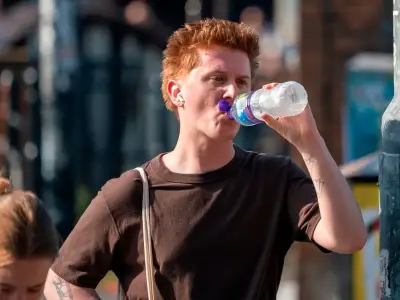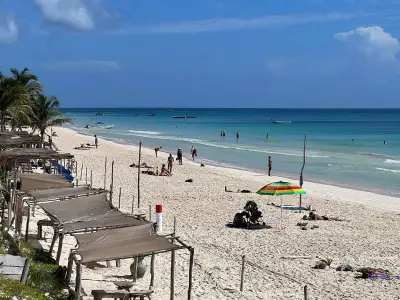
The UK is bracing for a severe heatwave that could push temperatures to 38°C, sparking concerns for children in schools. The sweltering conditions are expected to last until at least Thursday, with forecasters expressing 'growing confidence' that this week could break the record for the hottest June temperature of 35.6°C set in 1976 in Southampton.
Health Warnings and School Preparedness
The UK Health Security Agency (UKHSA) has warned of significant impacts across health and social care services, alongside a rise in deaths, particularly among those aged 65 and over or with underlying health conditions. Many UK schools are not designed to cope with extreme heat, as buildings are often constructed to retain warmth during winter.
Despite parental concerns about students falling ill, no schools have announced plans to close. The Department for Education states on its website: 'During hot weather, we don’t normally advise schools to close. This is because school attendance is the best way for pupils to learn and reach their potential, and hot weather can usually be managed safely.'
Precautions Being Taken
Some schools have asked parents and students to take precautions. Many are requesting that pupils bring refillable water bottles, caps for outdoor wear, and sunscreen. A school in Wiltshire is allowing pupils to wear regular uniform without a jumper and tie, or their PE uniform. Other schools are permitting PE uniforms or non-uniform days.
Some parents and organisations are campaigning for a maximum temperature limit in schools to be established.
Keeping Children Cool
The NHS recommends staying indoors during peak sun times, between 11 am and 3 pm. If children have been in the sun, parents should watch for signs of dehydration, heat stroke, or sunburn in the evening.
Heat exhaustion occurs when the body loses too much salt and water, causing illness. If untreated, it can lead to heat stroke, which is a medical emergency. Symptoms of heat exhaustion include headache, dizziness, confusion, loss of appetite, nausea, excessive sweating, pale clammy skin, cramps, fast breathing or pulse, high temperature of 38°C or above, and extreme thirst.
Heat stroke happens when the body can no longer cool itself, raising body temperature dangerously. It can put pressure on the brain, heart, lungs, liver, and kidneys and may be life-threatening. Signs include confusion, lack of sweating, temperature over 40°C, dry skin, nausea or vomiting, and loss of consciousness or seizures. The NHS advises cooling down with ice packs, drinking plenty of water, and lying down in a cool place with feet slightly elevated.