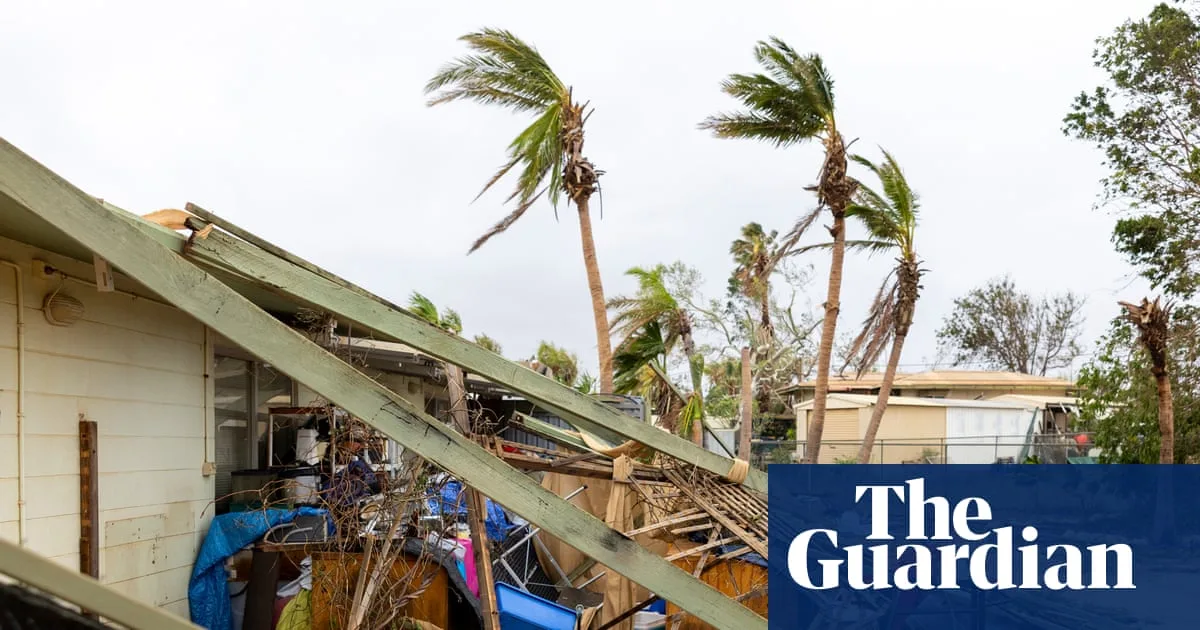
Western Australia's agricultural heartland, which supplies about 60% of the state's fresh winter produce and 80% of its bananas, is counting the cost of Cyclone Narelle. The storm, which tore down the coast, has caused widespread damage to crops and infrastructure, with recovery expected to take weeks.
In Exmouth, a popular tourist town about 1250km north of Perth, four structures have been confirmed destroyed and 27 damaged, though authorities expect these numbers to rise as over 2000 homes are assessed. Power has been restored to 250 homes, with emergency crews working to reconnect the remainder.
Local farmer Jo Bumbak reported that corn crops have been flattened and tomato seedlings wind-blasted, rendering them unproductive. An avocado farmer was 'entirely wiped out', with fruit strewn across the ground. While mature banana trees were badly damaged, younger plants survived remarkably well.
Emergency services have warned that the Gascoyne River, which flows through Carnarvon, is expected to flood, potentially cutting off low-lying communities. Recovery and clean-up efforts are likely to take weeks, according to Emergency Services Commissioner Darren Klemm.
The storm, which brought 250km/h winds and a year's worth of rain in a day, has left Exmouth largely isolated. The town's airport was extensively damaged, and the main road remains closed due to flooding. About 50 people had to evacuate a local shelter after it sustained wind damage.
Cyclone Narelle has also disrupted production at two of Australia's largest liquefied natural gas plants, operated by Chevron and Woodside. Woodside's Karratha plant and Chevron's Gorgon and Wheatstone facilities have experienced outages, with production expected to resume once it is safe to do so.