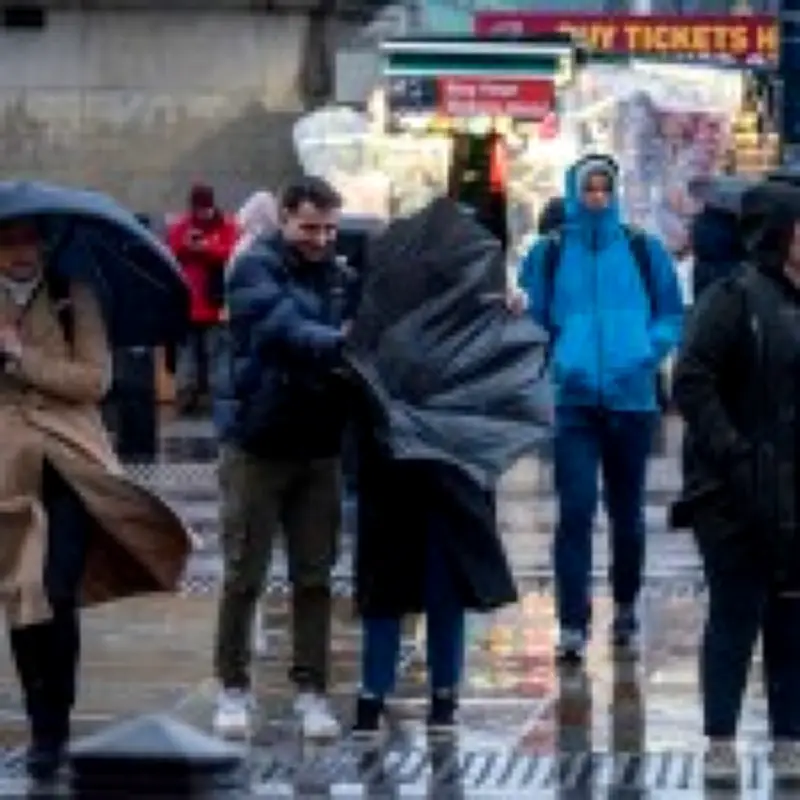
The UK could face a record-breaking freezing winter following a period of extreme heat worldwide, experts have warned. A natural atmospheric phenomenon called El Niño, occurring every two to seven years, typically raises sea surface temperatures by 0.5°C. However, forecasts predict this year's El Niño could be stronger than usual, amplified by global heating from the climate crisis, and may significantly impact UK weather in early 2027.
How Will El Niño Affect the UK?
Meteorologist Sean Batty told STV that this El Niño is 'likely to blow the others out of the water.' He added that the UK could prepare for its wettest winter ever, though rainfall is 'harder to predict.' There is potential for 'much colder and snowier weather around Easter next year.' Batty noted: 'One thing is for sure – this El Niño will bring some big headlines around the world once it properly kicks in later this year for the southern hemisphere’s summer and our winter in the north.' This could cause crop failures in countries like Australia and India, leading to rising prices for exported goods.
What Makes It a Super El Niño?
Meteorologists classify a super El Niño when ocean surface temperatures climb more than 1.5°C above normal in a specific Pacific sector. Temperatures crossing 2°C are deemed extreme or exceptional. Researchers were surprised by computer models' certainty in the upcoming El Niño's strength.
Speaking on its predicted impact on Scotland, Batty told STV: 'When it comes to temperature, Januarys during El Niño years tend to be fairly average overall. February is more complicated: three of the eight El Niño Februarys I examined were colder than average, but just as I thought I had identified a trend, February 1998 turned out to be Scotland’s warmest February on record. March shows a clearer signal, with seven of the eight years being warmer than average, while March 1998 ranks among the 30 warmest Marches on record.' The most consistent pattern was for April, which was colder than normal, while El Niño has generally led to warmer Mays.
Ken Graham, director of Noaa’s National Weather Service, told The Guardian: 'Every El Niño is not the same; each one is unique with its own imprint on our weather. Advanced monitoring and an improved understanding of El Niño patterns allow the NWS to better predict and better prepare the public and our core partners for what is to come.'