Australia is preparing for its most significant heatwave since the catastrophic Black Summer bushfires, with scorching temperatures and extreme fire conditions forecast for more than half the continent this week.
Extreme Heat and Fire Danger Forecast
The Bureau of Meteorology has issued stark warnings as a severe heat band, building for days in Western Australia, extends into South Australia, New South Wales, and Victoria from Tuesday. Fire dangers are predicted to reach extreme levels in South Australia, Victoria, and inland NSW, with total fire bans expected across vast swathes of the country.
Senior forecaster Dean Narramore pinpointed the core of the crisis. "Our main concern is the three-day period running Wednesday through Friday," he stated. "We're likely to see extreme heatwave conditions over a huge part of NSW and northern Victoria, practically everywhere between Melbourne and Sydney and extending well inland." He confirmed this burst of heat is the most significant for southeastern Australia, in terms of consecutive mid-40s days, since the summer of 2019-2020.

Populated Areas to Swelter
Millions of residents in NSW and Victoria are bracing for the intense conditions. Coastal areas, including Adelaide and Melbourne, are looking at temperatures in the low 40s Celsius, while inland regions will bear the brunt with peaks above 45°C. The soaring mercury is also set to strain the national electricity grid as demand for air conditioning spikes.
Matthew Sweeting from energy supplier Ausgrid highlighted the risk, noting "an increased risk of unplanned outages during prolonged heatwave conditions, due to an increase in demand on the grid."
A Context of Record-Breaking Heat
This extreme weather event follows another record-breaking year. Climatology Specialist Nadine D'Argent confirmed that 2025 was Australia's fourth-warmest year on record, with temperatures 1.3°C above the 1961–1990 average. This came after the second-warmest year in 2024, with South Australia and Western Australia both recording their third-warmest years.
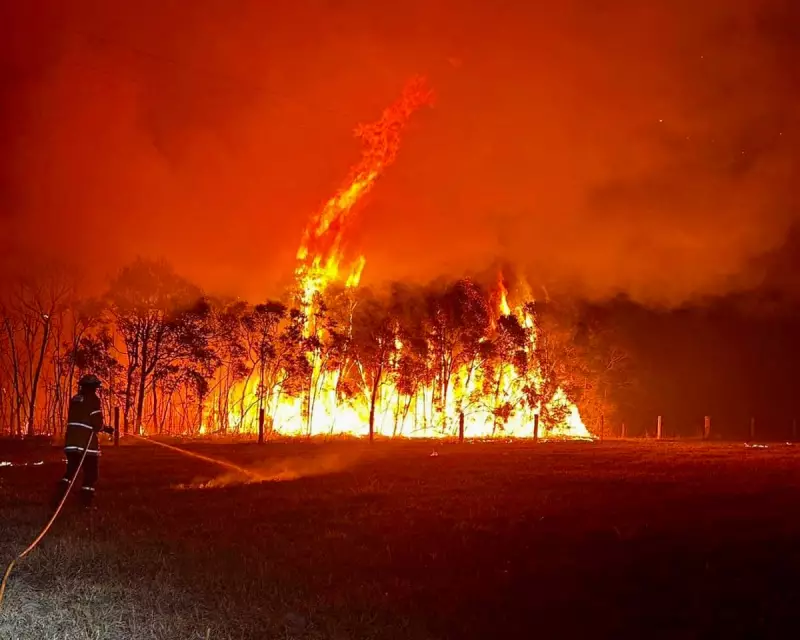
The conditions evoke grim memories of the Black Summer of 2019-20, which directly killed more than 30 people and burned millions of hectares. The Bureau defines a heatwave as three consecutive days of above-average temperatures, a threshold that will be vastly exceeded. Experts consistently link the increased frequency and severity of such extreme weather events to the ongoing climate crisis.