Sunrise Before 5am Returns: UK Dates for Longer Days and Morning Light
Sunrise Before 5am Returns: UK Dates for Longer Days

The United Kingdom has officially moved beyond the darkest weeks of winter, with daylight hours steadily increasing and milder temperatures accompanying the extra sunshine. For those eagerly anticipating spring and summer, the clocks are set to 'spring forward' in three weeks, which will bring earlier sunsets but also extend evening light.

Morning Light Returns: Key Dates for Sunrise Before 5am

While the shift to British Summer Time means mornings will remain darker initially, the lengthening days promise that morning light is not far off. If you're an early riser, you might be curious about when the sun will rise before 5am again. Using Ness Point in Lowestoft, the UK's most easterly location, as a benchmark, the clocks change on Sunday, March 29, but this area won't experience pre-5am sunrises until approximately May 14.

City-Specific Sunrise Forecasts

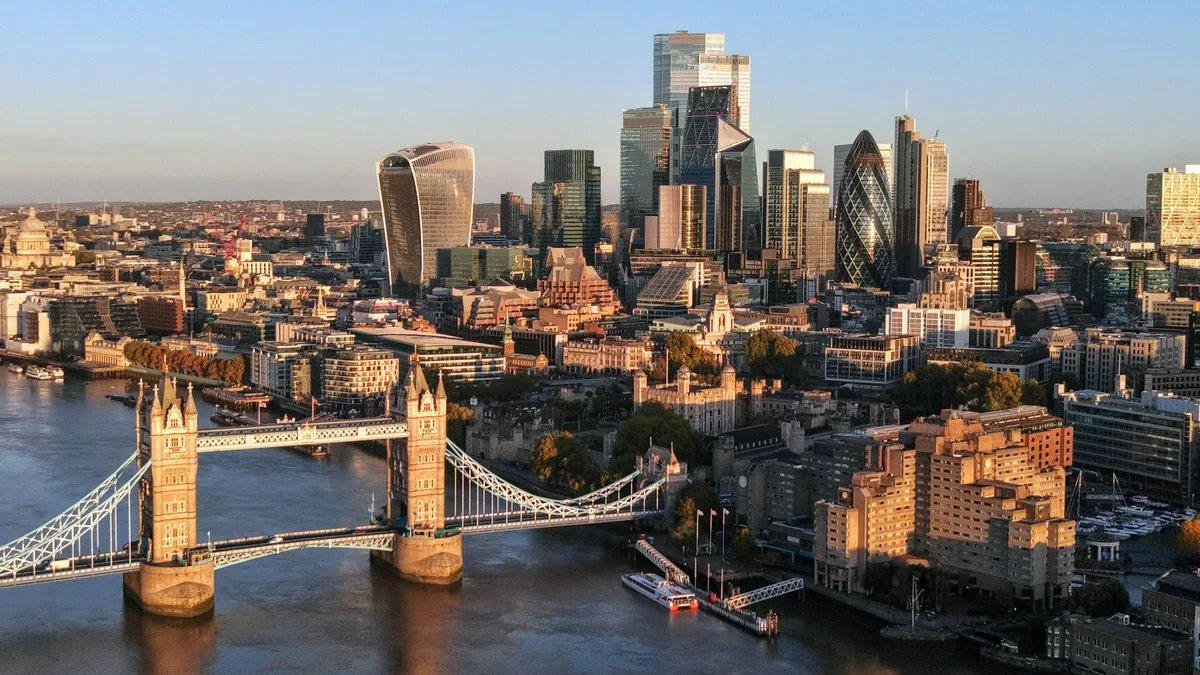
Current meteorological projections provide specific dates for major UK cities. London is expected to see its first sunrise before 5am around May 22, while Edinburgh is forecast to reach this milestone around May 16. Cardiff, however, will have to wait a bit longer, with its first pre-5am sunrise anticipated around June 3.

The days will continue to lengthen until the Summer Solstice, which falls on Sunday, June 21, in 2026. After this peak, the period of pre-5am sunrises will gradually shorten. London will enjoy sunrise before 5am until July 14, Edinburgh until July 22, Cardiff until July 1, and Ness Point until July 23, based on current predictions.

Understanding the Clock Change and British Summer Time

In the UK, clocks are advanced by one hour on the last Sunday of March each year, marking the start of British Summer Time (BST). In 2026, this adjustment will occur on Sunday, March 29, at 1am. Royal Museums Greenwich explains that this practice originated from a campaign in the early 20th century.

Advocates argued that shifting the clocks forward during summer months would allow people in the northern hemisphere to make the most of earlier daylight hours, enhancing productivity and leisure activities. This historical initiative continues to shape our seasonal timekeeping, balancing darker mornings with extended evening sunshine as we transition into the warmer seasons.