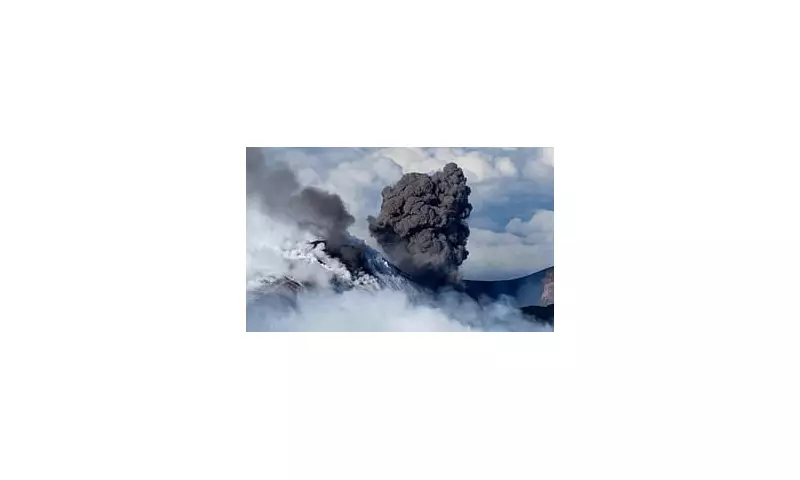
Italy's most active volcano, Mount Etna, unleashed a dramatic and powerful display of force on Saturday, blanketing the sky with dense plumes of volcanic ash and prompting authorities to issue their most severe warning to air traffic.
Eruption Intensifies, Prompting Highest Alert
Explosive activity from the summit craters of the famous volcano increased significantly, leading to continuous and substantial emissions of ash into the atmosphere. This sudden change in behaviour compelled scientists monitoring the site to declare a red Volcano Observatory Notice for Aviation (VONA). This critical alert level signals an immediate and substantial risk to aircraft flying in the region, indicating that volcanic ash is present and poses a serious hazard to jet engines.
Constant Vigilance Over a Restless Giant
The towering peak, which rises more than 3,300 metres above sea level, dominates the landscape of eastern Sicily. Due to its famously frequent and unpredictable eruptions, Mount Etna is under constant, around-the-clock surveillance by volcanologists. The weekend's events underscore the ever-present potential for sudden activity from this geological powerhouse.

Implications for Travel and Safety
The issuance of a red VONA warning has direct consequences for aviation safety. Airlines and air traffic control must reroute flights to avoid the hazardous ash cloud, which can cause severe damage to aircraft engines and systems. While the eruption's immediate impact is localised to Sicily and surrounding airspace, it serves as a stark reminder of the natural forces that can disrupt international travel corridors.
Residents and visitors in the vicinity witnessed the awe-inspiring yet formidable sight as the volcano added a new chapter to its long history of activity. Authorities continue to monitor the situation closely for any further escalation.