The annual Eta Aquarid meteor shower, which originates from debris left behind by Halley's Comet, is set to reach its peak on Tuesday night into Wednesday morning. However, a bright waning gibbous moon, which will be 84% full, is expected to significantly hamper the visibility of the celestial display, making it challenging for stargazers.
Visibility Challenges Due to Moonlight
Observers in the Southern Hemisphere, who typically enjoy up to 50 meteors per hour during this shower, may see this number halved due to the moonlight. Meanwhile, those in the Northern Hemisphere are expected to witness fewer than 10 meteors hourly. The bright moon will wash out fainter meteors, leaving only the brightest ones visible.
Tips for Optimal Viewing
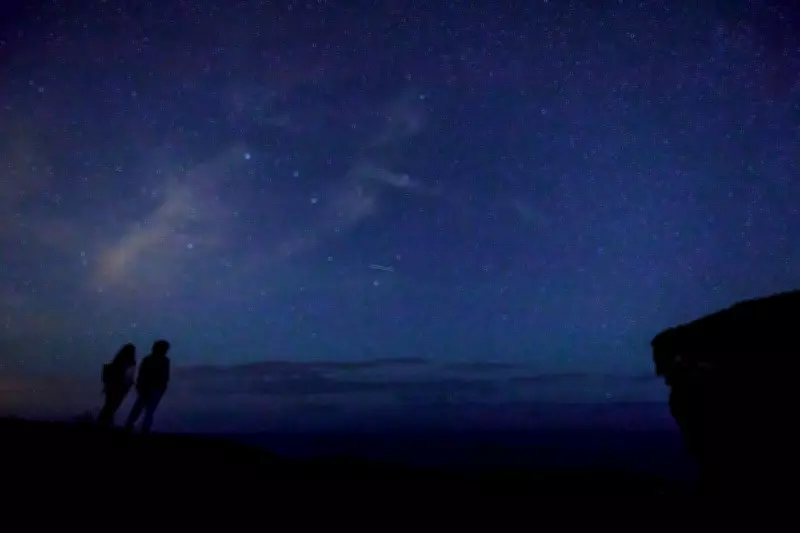
For the best chance of seeing the meteor shower, it is recommended to go outside just before dawn. Venture away from city lights to reduce light pollution, and find a spot that blocks the luminous moon, such as behind a building or a hill. Look to the east in the vicinity of the constellation Aquarius and the bright star Eta Aquarii, from which the shower gets its name.

What Causes the Eta Aquarid Meteor Shower?
Meteor showers occur when Earth passes through trails of debris left by comets or asteroids. The Eta Aquarids feature remnants from Halley's Comet, which last passed by Earth in 1986 and will next be visible in 2061. As these tiny particles, some as small as a grain of sand, burn up in Earth's atmosphere, they create streaks of light across the sky.
Despite the moonlight interference, dedicated stargazers may still catch a glimpse of bright fireballs. Patience and a dark location will improve the chances of witnessing this annual event.